







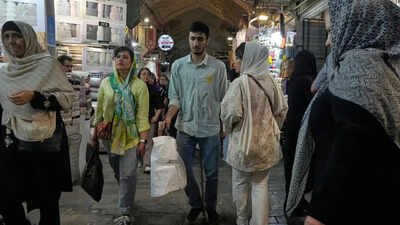
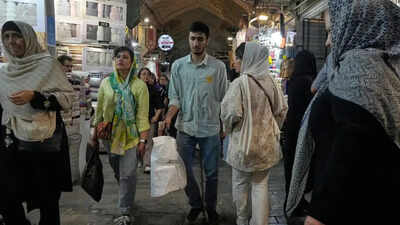
Iran’s annual inflation rate surged to its highest level since World War II in May, highlighting the deepening economic crisis facing ordinary citizens as the country grapples with the fallout of conflict, sanctions and long-standing structural problems.According to data released by Iran’s Central Bank, the consumer price index rose 77.2 per cent year-on-year in May, while monthly inflation increased by 8.5 per cent compared with April. Prices for everyday necessities, including medicine, taxi fares, tobacco and communication services, jumped 113.8 per cent from a year earlier.The figures mark the first official acknowledgment of the severe inflationary pressures already being felt by Iranians, many of whom have seen the cost of basic goods and services soar amid a sharp decline in the value of the national currency.A private Iranian think tank, the Bamdad Institute of Economic Studies, described the inflation rate as “an unprecedented rate since World War II.”War, sanctions and economic strainAccording to the Associated Press, economists say that the surge in prices reflects the combined impact of war-related disruptions, US sanctions and years of economic mismanagement.Iran’s oil industry and businesses have suffered significant damage following recent military strikes, while US measures targeting Iranian oil exports have further reduced a key source of revenue for the government.Tax collections have also come under pressure as businesses struggle to recover from months of economic uncertainty.The Iranian rial has seen a dramatic collapse over the past decade, falling from around 32,000 rials to the US dollar in 2015 to more than 1.7 million rials per dollar today.Iranian President Masoud Pezeshkian earlier warned citizens that further price increases were likely. “We will definitely have higher prices,” Pezeshkian said in May. “We are fighting and we must accept this hardship,” he added.Is another crisis brewing?The worsening economic situation has revived concerns about the possibility of fresh anti-government protests. Economic grievances have triggered major demonstrations in Iran in recent years.Rising food prices triggered protests in 2017 and 2018, while hikes in subsidised fuel prices also led to widespread unrest in which hundreds of people were reportedly killed.Earlier this year, protests over the falling rial currency became the most intense demonstrations in Iran since the 1979 revolution and the turbulent years that followed.Analyst Mohsen Jalilvand warned that social tensions could rise further if economic conditions continue to worsen. “I have no doubt that if Trump leaves (Iran without a formal peace deal) … most probably, we will see something like January by the end of summer because of the economic and social situations,” he said in comments published by Iranian news website Fararu.Meanwhile, some economists say inflation may still climb further. Tehran-based economist Saeed Leilaz told The Associated Press that annual inflation could reach 80 per cent in the coming months. “Iran’s society cannot tolerate above 25 per cent”annual inflation, he added.