





![Mirzapur Full Movie Collection: ‘Mirzapur The Movie’ box office collection Day 15 [LIVE]: Pankaj Tripathi, Ali Fazal and Ravi Kishan inches closer to Rs 205 crore India net and Rs 300 crore worldwide gross milestones | Hindi Movie News](https://bekhabarnewss.in/wp-content/uploads/2026/09/mirzapur-the-movie-day-15-box-office-collection-image-credits-imdb-150x150.jpg "Mirzapur Full Movie Collection: ‘Mirzapur The Movie’ box office collection Day 15 [LIVE]: Pankaj Tripathi, Ali Fazal and Ravi Kishan inches closer to Rs 205 crore India net and Rs 300 crore worldwide gross milestones | Hindi Movie News")

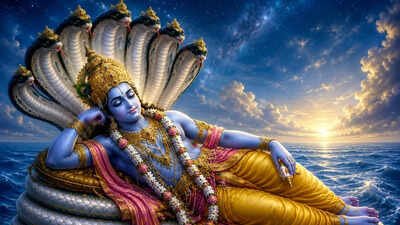
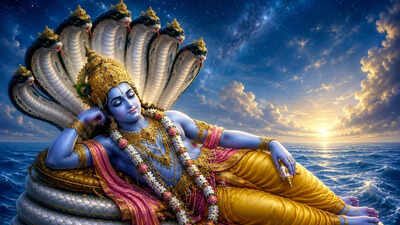
There is a certain hush to an Ekadashi morning. The kitchen is more peaceful, the tea routine shifts the ringing of a bell coming from the puja area seems to reverberate further. In homes that maintain the vrat, one person is already washing the tulsi leaves, while another is examining the panchang and the day seems to be a lot more peaceful before it even began. Parama Ekadashi belongs to that mood however, in 2026 it is a subject of attention due to its arrival within Adhik Maas, the extra lunar month that casual calendar-watchers ignore.
Quick details for readers
Date: Thursday, June 11, 2026, for New Delhi, observed as Parama Ekadashi. This corresponds to Jyeshtha Krishna Ekadashi in many panchang traditions, while some Vaishnava calendars may label the month differently. Readers outside New Delhi should check their local panchang or temple calendar.It isn’t among the more well-known Ekadashis in the world of public discourse. However, among those who worship Vishnu particularly those who follow the yearly Vrata cycle, Parama Ekadashi is treated with particular reverence due to the fact that it occurs only during Adhik Maas, which is also known as Purushottam Maas in various traditions which is a sacred extra month that is dedicated to Shri Hari. The 2026 date in the PDF calendar widely used for Parama Ekadashi is June 11 2026 in New Delhi. Some readers may also notice confusion in online summaries, because Adhik Maas observances often get misdescribed. The broad point remains steady: this is the Krishna Paksha, or waning-fortnight, Ekadashi associated with the Adhik/Purushottam month.
Why this extra-month Ekadashi carries unusual weight
Every Ekadashi is linked to upavasa, a fast that means more than going without food. The word also carries the sense of “staying near”, in this case staying near Bhagavan Vishnu through restraint, japa, prayer, and inward attention. But the Ekadashis that appear in Adhik Maas are set apart in popular Hindu practice because the month itself is not treated as empty or inconvenient. Quite the opposite. It is a pause inserted into the lunar calendar, and tradition turns that pause into an opening for more bhakti, more discipline, more remembrance.That is why Parama Ekadashi matters. The very name “Parama” suggests the highest, the supreme. Puranic and regional traditions speak of this vrat as especially fruitful for those seeking relief from hardship, purification from past wrongs, and spiritual merit through devotion to Vishnu. As per some traditions, it is also observed by people praying for stability in family life, for freedom from debt or distress, and for a calmer mind. None of that is framed as a transaction in the older devotional mood. The purpose of the fast is to humble the senses and calm the heart.
The story devotees remember from the Purana tradition
Like many Ekadashi observances, Parama Ekadashi is remembered by katha, the sacred tale told in temples and homes. Different regions have different particulars, however the general Puranic pattern is familiar. A person who is burdened by poverty, suffering, or the repercussions of previous actions is taught the benefits of this vrat. Through fasting with sincerity and worship of Vishnu and charity, as well as long nights of remembrance the devotee receives both worldly relief and spiritual uplift.In popular Ekadashi-mahatmya retellings connected to the Adhik Maas cycle, Shri Krishna explains the significance of this Ekadashi to Yudhishthira, stating that the Krishna Paksha Ekadashi of the extra month is called Parama and is spiritually purifying when observed with faith. The language could sound harsh when read in a straight manner, but in actual Hindu practice, it is usually read in a more gentle manner. The vrat gives the person the opportunity to begin with a fresh start. One day of restraint becomes a way of reordering life around dharma, devotion, and gratitude.This is also why Vishnu worship sits at the centre of the day. Ekadashi is more than an dietary practice. It’s actually a Hari-vrata. which is a vow that is kept for Hari another name that is a favorite for Vishnu. Devotees chant ‘Om Namo Bhagavate Vasudevaya,’ recite the Vishnu Sahasranama, the thousand names of Vishnu, or read from the Bhagavad Gita and Bhagavata Purana. Even a small offer of water, flowers and tulsi as well as sincere prayers is considered to be meaningful.
What most readers should actually do on June 11
If you’re planning to observe Parama Ekadashi in 2026, make the ritual simple and sincere, rather than stressed. The first step is check your local tithi, or lunar date, particularly in the case of living outside of India or use the temple calendar that is tied to the sunrise of a different time. In the case of New Delhi, the PDF calendar shows the date of Parama Ekadashi on June 11 2026. For New Delhi, one commonly listed Smarta/general parana window is June 12, 2026, from about 5:23 AM to 8:10 AM; Vaishnava or temple calendars may give a different window, so readers should follow their local panchang or sampradaya calendar. Like other Ekadashi vrats, many traditions avoid performing parana during Hari Vasara, traditionally understood as the first quarter of Dwadashi Tithi; therefore, local timing is crucial.The fast itself can be observed at different levels. Traditionally, some devotees observe an nirjala-style fast, meaning that they do not eat or drink while others drink water, milk, and take fruits or phalahar, which is a light vrat meal consisting of non-grain food. Many households avoid rice, wheat, pulses, and regular salt, using sendha namak, or rock salt, when cooking vrat-based food. The more strict version is admired however it isn’t the only valid option. What is required by tradition first is honesty and a sense of discipline.Children, pregnant people, elderly readers, and anyone with health conditions are generally exempt from strict fasting or may observe in a modified way according to family custom and personal capacity. The devotional side of the vrat, prayer, mantra, charity, and sattvic restraint, still remains open to them. This is not a day to force the body beyond its limits.
A simple puja rhythm for the day
Step 1: Begin with sankalpa at homeAfter a bath in the morning take a shower, dress in clean clothing and stand in front of your altar at home or in a puja area. Give a short Sankalpa, or a spoken word to say that you observe Parama Ekadashi vrat in the honor of Shri Vishnu. If you have a gotra or family lineage, you can include it but you don’t have to. A simple heartfelt vow can be enough.Step 2: Worship Vishnu with tulsi and lightSet up an image, or murti, a sacred form of Vishnu, Krishna, Rama or Narayana in the center of the puja. Offer flowers, water incense, a diya, the lamp of the ritual and tulsi leaves which are particularly dear to Vishnu. If you have sandal paste, a yellow cloth or fruit you could offer them as well. Recite “Om Namo Narayanaya” or the Vishnu Sahasranama if time allows.Step 3: Keep the fast with attention, not irritationObserve the chosen form of fasting through the day. Avoid grains and indulgence, but also avoid turning the vrat into a display of discomfort. Ekadashi is just as much about thought and speech as it is about food. Many devotees attempt to lessen the intensity of gossip, anger and distractions during this day. That inner discipline is part of the vrata.Step 4: Read or listen to the vrat kathaAt times during the day, listen or read the Parama Ekadashi katha from a trusted temple source or family. It is the way that many families pass down the ceremony from generation to the next. A child may not remember the tithi calculations years later, but they often remember the story told beside a lamp.Step 5: Close the day with jagaran if possibleCertain traditions suggest jagaran, which is a devotional night vigil usually on Ekadashi which is spent in the form of bhajan, nama-japa or recitation of scripture. Some people are unable to stay awake throughout the night, and that’s perfectly fine. Even a long evening prayer, an aarti and a calming chant before going to bed keep the essence of the spirit in place.
When to break the fast, and why timing isn’t casual
Parana on Dwadashi, the twelfth lunar day, is part of the vrata. It completes the observance. For that reason, devotees should not treat the break-fast timing as an afterthought. Published reports for 2026 mention June 12 morning, with one source giving 5:23 am to 8:10 am for parana. Still, sunrise-based observance can vary by city and sampradaya, or lineage tradition. If you are in Mumbai, Chennai, London, Dubai, or New Jersey, don’t assume Delhi timing applies exactly.A practical rule helps here: follow a reliable local panchang or the timetable provided by your temple. Also, if your family follows a tradition that’s been in place for a long time respect it unless there is a compelling reason to not. The fast should be broken in a tranquil manner, usually with fruit, water, or a light meal following the prayers and offerings to Vishnu.
The place of Parama Ekadashi in a crowded 2026 calendar
One reason why people may not be aware of this date is the fact that 2026 is an untypical Jyeshtha stretch due to Adhik Jyeshtha. The calendar conversation gets very crowded. In the 2026 calendar, Apara Ekadashi, Padmini Ekadashi, Parama Ekadashi, and Nirjala Ekadashi appear close together; among them, Padmini and Parama are the special Adhik Maas Ekadashis. In that rush, Parama can slip past people who keep only the more famous fasts.It should not. If Padmini Ekadashi in the light fortnight is often the focus of attention due to its rarity, Parama Ekadashi that falls in the darker fortnight is worthy of equally attention. It is part of the same holy extra month and shares the same Purushottam devotion: a call to pause ordinary appetite for a day and reflect on the purpose of the vow.If you are tracing your 2026 calendar and you want to circle June 11 in the month of New Delhi, verify your local panchang, and then decide in advance what you will observe. When the morning arrives, keep a lamp ready, wash a few tulsi leaves, and let Vishnu’s name be on your lips before the home fully wakes.