







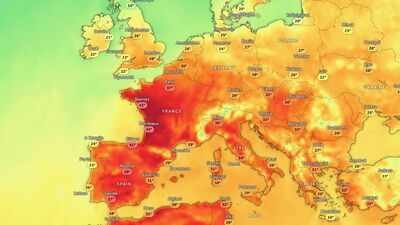
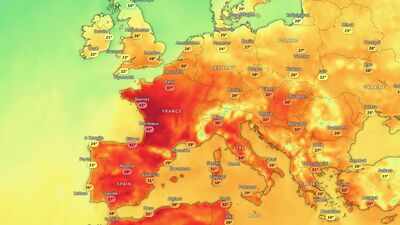
A severe heatwave tightened its grip across large parts of Europe on Sunday, with temperatures approaching 40 degrees Celsius, prompting health alerts, transport disruptions and growing concerns about the impact on wildlife and public safety.The heat surge coincided with the summer solstice on June 21 and has raised fears of an early and prolonged period of extreme weather conditions across the continent.Authorities in Italy issued red alerts for eight cities, including Bologna, Florence, Milan and Turin, after several days of temperatures above 35°C.In Rome, pilgrims gathered in St Peter’s Square under umbrellas and parasols as Pope Leo XIV led the traditional Sunday prayer.Meteorologists attributed the soaring temperatures to a mass of hot air moving north from the Sahara, driven by a powerful high-pressure system known as the “African anticyclone”.The system has created a “heat dome”, trapping hot air over western and central Europe and causing temperatures to build steadily.
Travel, infrastructure hit by soaring temperatures
The extreme heat has begun affecting transport networks, particularly in France.Speaking at Paris’ Gare Montparnasse station, SNCF chief Jean Castex said the rail network was being “strongly impacted” by temperatures that could damage overhead power lines and expand railway tracks.According to Reuters, 71 intercity trains were cancelled until Monday on major routes, while thousands of railway workers were deployed to monitor infrastructure and carry out emergency repairs.France is among the countries worst affected by the heatwave. Around one-third of the country was under a red alert on Sunday, with temperatures touching 40°C in some regions. Authorities also introduced cooling measures at tourist sites, while 845 schools were ordered to close on Monday due to the heat.Spain’s AEMET weather agency issued red and orange warnings across several regions, cautioning that temperatures could exceed 39°C to 40°C across much of the Iberian Peninsula and Mallorca.The heatwave is expected to continue at least until midweek.
Wildlife under pressure as heat intensifies
The prolonged heat is also taking a toll on wildlife.A rescue centre near Belgium’s city of Namur said it had received around 150 heat-stressed animals in recent days, with young birds particularly vulnerable.“Nestlings prefer to jump rather than let themselves die and literally cook in their nests,” CREAVES founder Romain De Jaegere told Reuters.In Germany, temperatures have already climbed to 38°C.While heat warnings remain in place, severe thunderstorms and heavy rain also disrupted outdoor events in Berlin, including the Berlin Open tennis tournament and the Fete de la Musique festival.
Climate concerns grow
Experts have warned that such extreme weather events are becoming more frequent and intense due to climate change.According to news agency AP, more than 200,000 people across Europe have died from heat-related causes over the past four years, with many of those deaths considered preventable.The World Health Organisation’s Europe office has warned that above-average temperatures are expected again this summer.European governments have stepped up emergency preparedness measures, including wildfire monitoring, public health advisories and infrastructure protection, as forecasters predict the heatwave could persist for several more days.