







Ancient hunter-gatherers carried live brown trout past steep waterfalls to stock empty mountain lakes in Norway 7,000 years ago, creating managed fisheries whose descendants are still being caught by local anglers today.Archaeologists at the University of Oslo discovered well-preserved wooden fish traps at Lake Tesse, a mountain lake located 850 metres above sea level in southern Norway. Radiocarbon dating, published in the journal Antiquity, confirmed that these carefully built traps were used from around 5000 BC onward.The discovery shows that Mesolithic hunter-fisher-gatherers deliberately changed high-altitude ecosystems to create reliable food supplies centuries before farming reached Scandinavia.
Filling an empty landscape with life
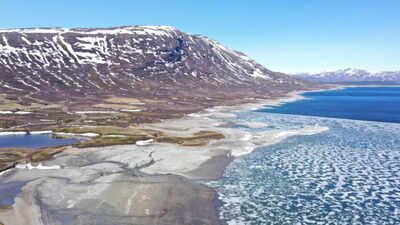
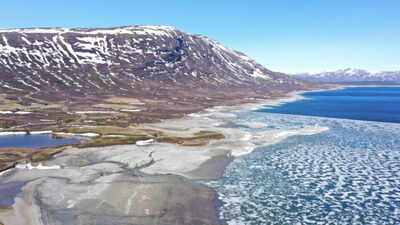
Until around 8400 BC, the Fennoscandian ice sheet covered Lake Tesse beneath kilometres of thick ice. When the glaciers melted, they left behind a fresh landscape.People began moving into the southern highlands around 8000 BC, but the newly formed lakes contained no fish. Steep rivers and huge waterfalls created natural barriers that stopped brown trout from swimming upstream into the lakes.Lead researcher Axel Mjærum, an archaeologist at the University of Oslo, said experts have long believed that humans were responsible for introducing fish into these remote lakes.“For more than 100 years, it has been known that the fish inhabiting watercourses in the Norwegian mountains are descended from specimens translocated by humans,” Mjærum said. “However, until now, it has remained unclear when people first began transporting fish upstream into lakes and rivers that originally lacked natural fish.”Brown trout were an ideal species to introduce because they grow to a large size, provide plenty of food, and are easier to catch than many other freshwater fish.
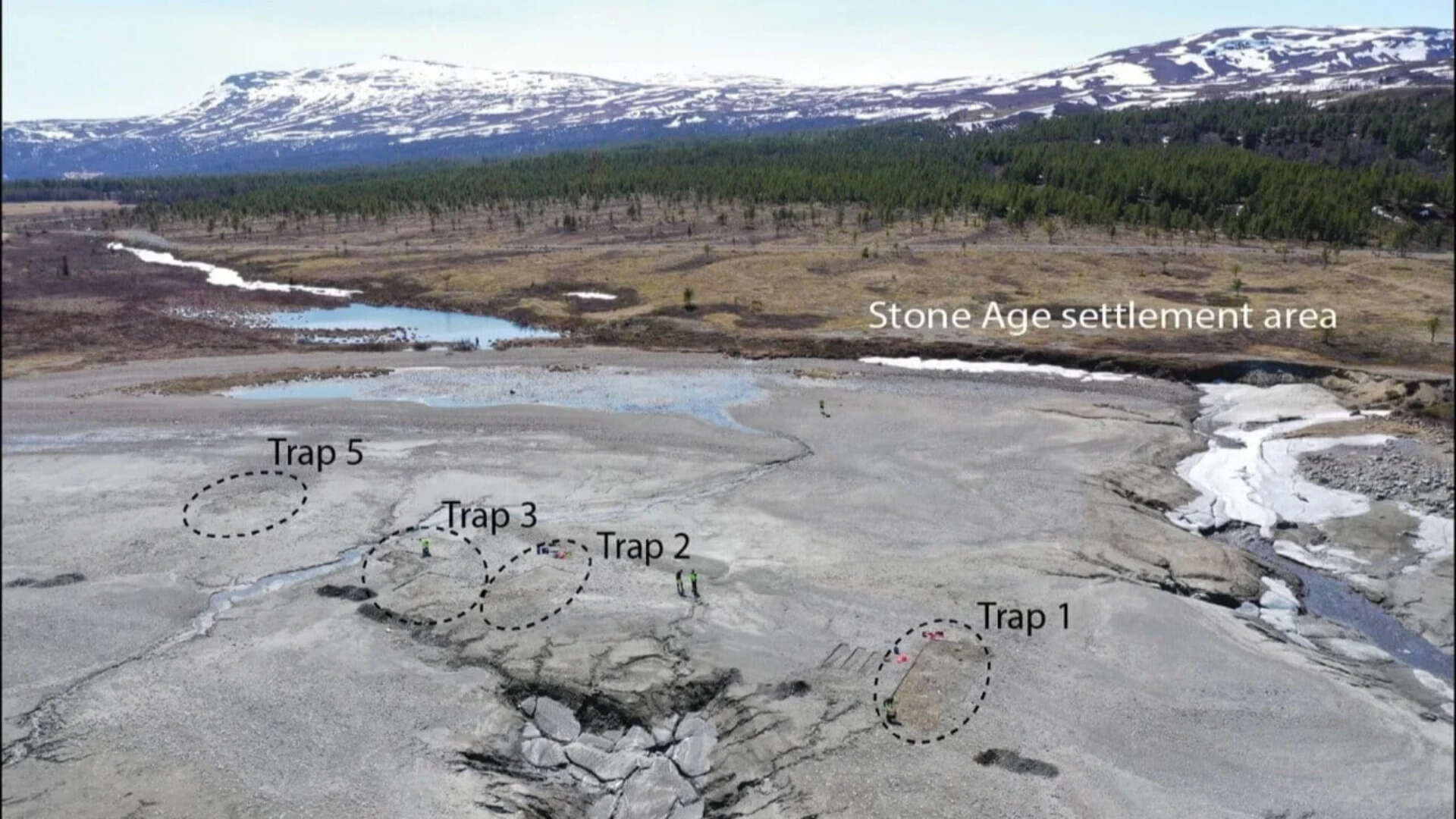
The fish traps at Lake Tesse, with sections of the Stone Age settlement area visible in the background (Credit: Mjærum et al., Antiquity (2026)
Dating the wooden traps
The mystery was solved in 2022 when water levels at Lake Tesse fell, exposing partly buried wooden fish traps on the lakebed.Laboratory testing dated the oldest wooden trap to around 4950 BC. Researchers also compared the recovered wood with pine tree-ring records from the central Scandinavian mountains, allowing them to date several younger wooden posts very precisely.One post was cut sometime between the spring and winter of 2669 BC, while another was cut 12 years later during the winter of 2657 to 2656 BC. These dates show that ancient communities repaired, maintained, and reused the fish traps for thousands of years.“Therefore, it is possible that this form of trap fishing was ongoing in Tesse during much of the period between 5000 and 2650 BC,” Mjærum said.“This implies that fish, and more specifically brown trout (Salmo trutta), were translocated by hunter-fisher-gatherers during the Scandinavian Mesolithic,” he added.
Transport and seasonal survival
Scientists still do not know exactly how people carried live trout across the steep mountain landscape, although Mjærum believes they may have transported the fish inside animal skins filled with water.The process would have required careful planning. Carrying live fish across rugged mountain passes was a deliberate and labour-intensive effort designed to create dependable food supplies for future seasons.“A good and predictable food supply also made longer stays possible, not only for hunters aiming for big game, but for whole family groups,” Mjærum noted.These early communities probably spent their summers in the mountains hunting reindeer and catching trout from the lakes they had stocked. When winter arrived, families returned to the warmer valleys or the coast.
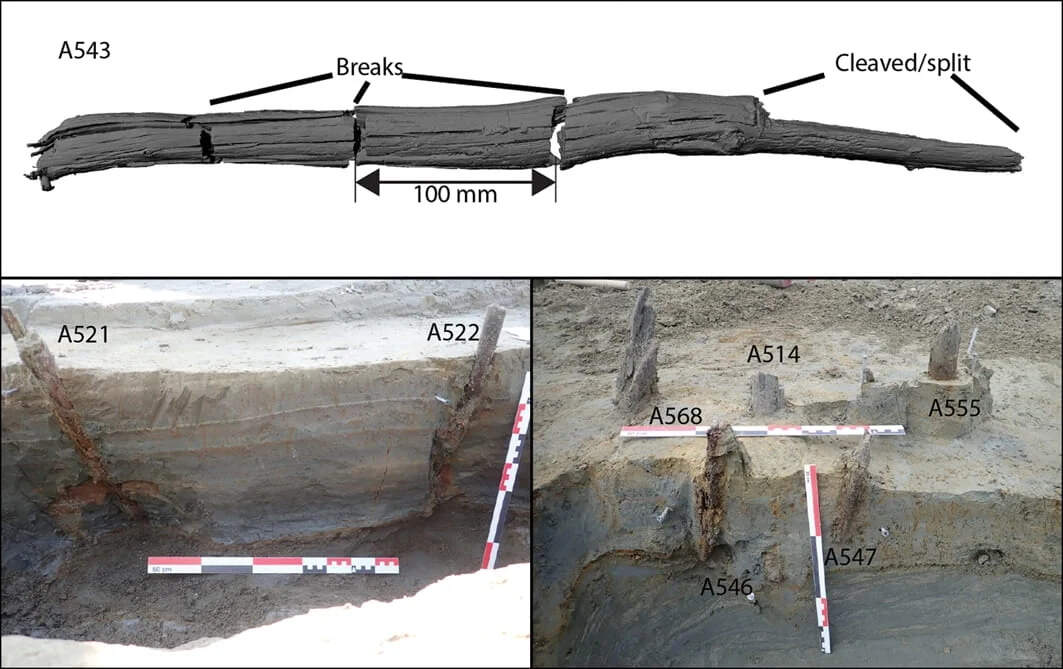
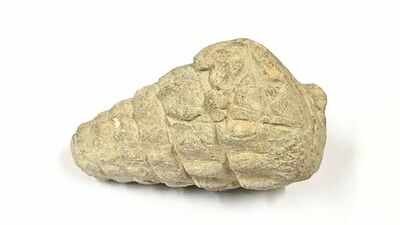
Examples of poles from the Lake Tesse fishing traps. Credit: Mjærum et al., Antiquity (2026)
A lasting environmental legacy
The findings challenge long-held ideas about how early human societies interacted with nature. Environmental management on this scale is usually linked with farming communities, yet these Scandinavian groups depended entirely on hunting, fishing, and gathering wild plants.By placing live brown trout into lakes that originally had no fish, Mesolithic foragers practised an early form of food production, changing local ecosystems to better meet their needs.The results of that ancient effort can still be seen in Norway today. Before Lake Tesse was converted into a hydroelectric power reservoir in the 1940s, it produced nine tonnes of brown trout every year. The trout living there today are direct descendants of the fish carried into the mountains by people 7,000 years ago.“Hunter-fisher-gatherers’ release of brown trout into previously fishless lakes in the Norwegian mountains around 5000 B.C. is a very clear example of humans’ general capacity to reshape entire ecosystems, even before the introduction of farming,” Mjærum concluded.