








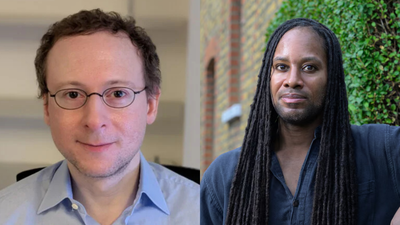
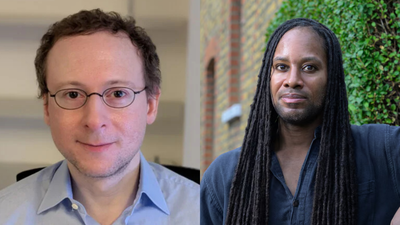
Nathan Cofnas, who exposed Jason Arday’s plagiarism, faces ‘appropriate action’ from Ghent University after Arday’s deathGhent University has announced it will take “appropriate action” against one of its postdoctoral researchers, Nathan Cofnas, following the death of Cambridge professor Jason Arday. Cofnas, a philosopher of biology employed at the Belgian university, publicly detailed extensive evidence of plagiarism in Arday’s academic work in a Substack post published in late July 2026. Arday, who had been celebrated as Cambridge’s youngest Black professor, resigned from his position in early August amid growing scrutiny. He was later found dead. In a statement issued on 19 August 2026, Ghent University said it was “shocked” by Arday’s death and that it was taking Cofnas’s recent public statements on the matter “very seriously.”
Nathan Cofnas’s plagiarism allegations against Jason Arday
In July 2026, Nathan Cofnas published a detailed analysis on his Substack newsletter claiming that large portions of Jason Arday’s 2015 PhD thesis contained material closely matching or identical to earlier work by other scholars, including a 2009 dissertation by Paula Zwozdiak-Myers. Cofnas also raised questions about other aspects of Arday’s published research and biographical claims. The post attracted significant attention and was followed by further reporting in British media outlets examining Arday’s academic record.Arday acknowledged certain citation errors but denied intentional misconduct, attributing some issues to inadequate supervision during his doctoral studies and his autism. Cambridge University initially defended him against what it described as a campaign to undermine his credibility. On 5–6 August 2026, however, the university announced it was opening an investigation into his academic qualifications and honorary appointments. Arday resigned shortly afterwards.
Arday’s death and public reaction
Jason Arday was found dead in mid-August 2026. His death prompted widespread discussion and tributes, as well as criticism directed at those who had publicised the plagiarism allegations. Some activists and online campaigns specifically targeted Cofnas, urging people to contact Ghent University and hold him responsible for the outcome. Reports indicated organised efforts to send mass complaints to the university.
Ghent University’s statement
On 19 August 2026, Ghent University issued an official statement signed by Rector Petra De Sutter and Vice-Rector Herwig Reynaert. The university expressed shock at Arday’s death and offered condolences. It reaffirmed its commitment to respect for human dignity and opposition to discrimination, hatred, and racism, while stating that academic freedom “is not unlimited” and “goes hand in hand with responsibility.”The statement confirmed that the university was taking the recent public statements made by a postdoctoral researcher (Cofnas) “very seriously” and had “decided to take appropriate action within its powers and the applicable framework.” Officials emphasised that they did not wish to prejudge any decisions in order to maintain objectivity and respect the confidentiality of a personnel matter.The full statement is available on the university’s website.
Context surrounding Cofnas
Nathan Cofnas joined Ghent University as a postdoctoral researcher in 2026. He has previously attracted controversy for his writings on hereditarianism and group differences in intelligence, positions he describes as “race realist.” His appointment at Ghent had already drawn petitions and criticism from some staff and students earlier in the year. The current university response focuses specifically on his public comments regarding the Arday case. As of 20 August 2026, Ghent University has not provided further details on the nature or timeline of the “appropriate action” it intends to take.