






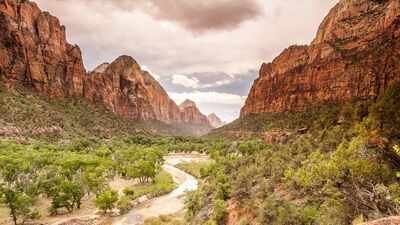
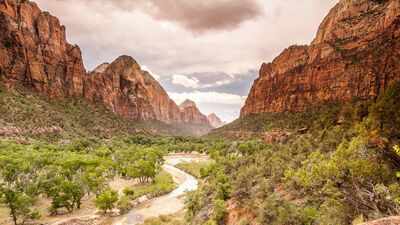
Visitors who approach Zion National Park from the east are greeted by a winding, scenic drive that feels worlds away from the crowded gateway towns surrounding many other national parks. That sense of serenity is now locked in place, thanks to a new conservation deal announced this week by the Zion Forever Project. As reported by Utah News Dispatch, the nonprofit has secured a conservation easement protecting 145 acres just outside the park’s East entrance, ensuring the land will never be developed into hotels, condos or restaurants. A private landowner retains title to the property but has handed over development rights to Zion Forever, which will steward the land going forward.A once-in-a-lifetime conservation opportunityChris Horton, chief operating officer of the Zion Forever Project, described the easement as a once-in-a-lifetime opportunity for conservation in one of Utah’s most visited natural areas, as per the report. Under the agreement, the private landowner keeps ownership of the 145-acre parcel but permanently gives up the right to develop it. Zion Forever will act as the steward, enforcing the terms of the easement and ensuring the land remains in its natural state.The protected area, a little smaller than one square quarter-mile, sits within a half-mile of the park boundary along the East entrance corridor. Horton said the deal means no hotels, condos or restaurants will ever be built there, although visitors will eventually be able to use a planned, expanded trail network running through the newly protected land.“There are a lot of people that really enjoy that drive in from the east side because it’s so serene and so pristine compared to a lot of other gateway communities surrounding national parks across the country,” Horton told Utah News Dispatch. “People can be very happy to know that that stretch of land is going to look the way it does now forever.”Protecting views, watersheds and wildlife corridorsZion Forever is calling the easement a monumental step, saying it will protect not only the iconic views along the East entrance drive but also the watersheds and wildlife corridors that run alongside the park. The area’s red-rock slopes, desert washes and native vegetation provide critical habitat for species that move between the park and surrounding public lands.By preventing subdivision and commercial development, the easement helps maintain ecological connectivity and reduces pressure on the park’s infrastructure from additional lodging, dining and retail built just outside its boundaries. For a park that saw record visitation in recent years, keeping the immediate gateway landscape undeveloped is seen as a key part of long-term preservation.Philanthropy and private partnership make it happenHorton declined to disclose the exact cost of the easement, but noted that such agreements are not cheap and generally match the price of the land if it were to go on the open market. The deal came together after philanthropist Brian Donnell and the landowner approached Zion Forever about working together to protect the parcel.“Zion belongs to all of us, and preserving it takes people who are willing to think beyond their own lifetime,” Donnell said in a prepared statement issued by the nonprofit. “My hope is that future generations will experience this treasured landscape with the same sense of wonder that we have today.”The arrangement reflects a growing model for conservation around popular public lands: private owners retain title and some uses of their property, while nonprofits or government agencies hold easements that permanently limit development.Part of a broader preservation strategyThis is not Zion Forever’s first conservation easement near the park. The group already holds a separate easement for land close to the new site, though not directly adjacent to it, Horton said. In addition, the nonprofit owns six other properties outright along the park’s boundary, which it manages for conservation and, in some cases, limited public access.Together, these holdings form a patchwork of protected buffers that help shield Zion from the kind of intensive commercial development seen in some other gateway communities. By focusing on strategic parcels near key entrances and viewsheds, Zion Forever aims to preserve the character of the park’s surroundings even as visitation continues to grow.What visitors will see, and what they won’tFor drivers coming into Zion from the east, the practical impact of the easement will be subtle but significant. The red-rock ridges, open slopes and native vegetation that line the road will remain largely unchanged, with no new hotels, condos or restaurants breaking the skyline. Over time, visitors may gain access to new trails that weave through the protected acreage, offering additional ways to experience the landscape without adding buildings or parking lots.What they won’t see is the kind of dense commercial corridor that has developed around some other national parks, where motels, souvenir shops and restaurants crowd the roads leading into the gates. For many park advocates, that restraint is exactly the point: keeping the approach to Zion as much a part of the experience as the canyon itself.A model for other gateway communitiesThe Zion East entrance easement is being watched closely by conservation groups and land-use planners in other park towns. As tourism pressures mount across the West, communities are searching for ways to balance economic benefits with the protection of natural and scenic resources.Zion Forever’s approach, partnering with private landowners and philanthropists to secure permanent development restrictions, offers one path forward. It allows land to remain in private hands while ensuring that key parcels never become sites for large-scale commercial projects. For a park whose identity is tied to its dramatic landscapes and relatively unspoiled setting, that kind of long-term thinking may be as important as any single trail or viewpoint inside the boundary.