









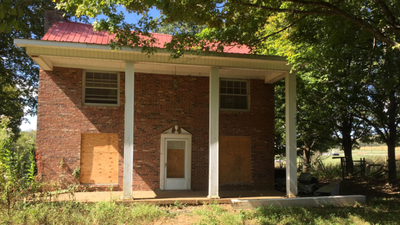
A historic late-18th-century home and about $500,000 in cash given to a local Tennessee government to create a public park have been returned to a family descendant after nearly 10 years of municipal delays. The legal transfer ends a long dispute over the estate, which was originally meant to protect local history and create open green space for the community. According to a report published by AOL, the local authority failed to meet important deadlines and responsibilities set out in the owner’s will. As a result, a legal process returned both the property and the money to the owner’s family. The property includes a house built in the late 1700s, making it a rare surviving example of early settlement architecture in the region. When the owner died nearly a decade ago, the will clearly stated that the home and surrounding land should be turned into a public park. A $500,000 endowment was also provided to pay for early improvements, preparing the site and future maintenance.
A vision delayed by local government
Local officials initially accepted the gift with enthusiasm, but struggled to turn the owner’s plans into reality. The project remained stalled through several municipal administrations because of bureaucracy, changing council priorities and concerns about liability and future maintenance costs. As the years passed without major work at the site, the late-1700s house remained empty and exposed to the elements. Rain, wind and other weather conditions damaged the original timber siding, stonework and structural frame. Heritage advocates became increasingly worried that the building could suffer serious and permanent damage before the planned park ever opened. At the same time, the $500,000 endowment remained unused in municipal accounts. Local officials had not approved a final master plan or restoration programme, leaving the money untouched while the historic property continued to deteriorate.
Conditions written into the original gift
The estate documents described in the AOL report made clear that the donation was not unconditional. Under Tennessee property and probate law, gifts of property to public bodies can include reversion clauses. These clauses can require the property to return to the original estate or named heirs if the government receiving it fails to meet the main conditions of the gift within a set or reasonable period. After almost 10 years without the promised public park being created, legal representatives for the estate and a direct descendant began court proceedings to enforce the terms of the will. Court records showed that the local government could not provide a clear timeline, funding plan or operating strategy that met the requirements set by the former owner. Probate authorities therefore found that the conditions of the trust had been broken because of the long period of inaction.
Family takes control of historic home
After the court’s final decision, legal control of both the historic house and the $500,000 fund was transferred to the descendant. The decision removed the local council’s responsibility for the property and returned the task of protecting the historic home to the family. The descendant has now taken charge of the preservation work and plans to stabilise the building before further damage occurs. Unlike the local government, which had to deal with public procurement rules, competitive bidding and other municipal spending priorities, the private owner can move more quickly to hire specialists in historic restoration. The $500,000 fund has also been transferred with the property. It is expected to be used for urgent repairs, including protecting the timber, strengthening the foundation and repairing the roof.
What the case shows about donated historic properties
The Tennessee estate highlights a wider problem that can occur when individuals leave historic properties to local governments. Such gifts are often made to benefit the public, but smaller municipalities may not have the staff, preservation experts or long-term funding needed to care for old buildings. Without officials willing to keep the project moving or strong political support, conditional property gifts can become difficult and expensive responsibilities for local councils. Local governments must also balance historic preservation with other urgent needs, including road repairs, public safety and improvements to water and other public services. When delays continue for years, reversion clauses in wills can provide an important legal safeguard. They help prevent historic properties from remaining stuck in government offices and unused for an indefinite period.
Restoration now becomes the priority
Local historians who followed the dispute have welcomed the court decision and said the focus should now move from legal and administrative issues to protecting the building itself. Although the property will no longer become a public park as the deceased owner originally intended, the goal of preserving a rare piece of 18th-century Tennessee architecture may now be easier to achieve under family ownership. Initial work is expected to begin after building permits and structural engineering assessments are completed. The descendant plans to first protect the house from rain, pests and further weather damage before deciding how the restored property and surrounding land could be used in the future. The final court orders have removed the local government’s remaining responsibilities for the estate, bringing nearly a decade of delays to an end and giving the historic home a new chance at survival.