







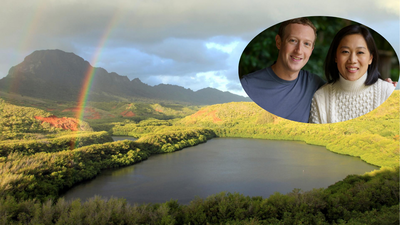
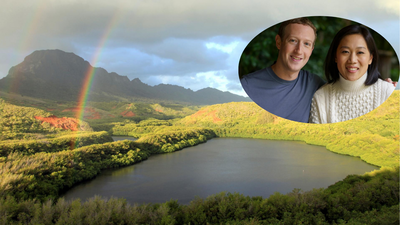
A 600-year-old Hawaiian fishpond that faced the possibility of development is now permanently protected as a community conservation site after a $4 million charitable gift from Priscilla Chan and Mark Zuckerberg helped fund its acquisition. Alakoko Fishpond, also known as Alekoko or Menehune Fishpond, covers 102 acres in Niumalu near Līhuʻe on Kauaʻi. It features a 2,700-foot-long kuapā, or fishpond wall, and is the largest remaining fishpond on Kauaʻi. The Trust for Public Land purchased the property on November 17, 2021, and then conveyed it to the community-based nonprofit Mālama Hulē‘ia for community and cultural stewardship. The deed ensures the land will remain dedicated to conservation, education and community purposes in perpetuity.
The $4 million gift that helped save a 600-year-old Hawaiian fishpond
The conservation effort accelerated after Alakoko and its surrounding 102 acres were placed on the market in January 2021, raising concerns that the culturally important landscape could be developed. The Trust for Public Land and Mālama Hulē‘ia had already been working to protect the site and had been seeking public funding for its acquisition. More than 5,500 people signed an online statement supporting permanent protection, while hundreds of community members and organisations submitted written testimony. The Kauaʻi County Open Space Commission unanimously supported the project in February 2021, but securing county funding would have required additional steps. With the property on the open market, TPL also sought private philanthropic support. Chan and Zuckerberg then committed a $4 million charitable gift through the Chan Zuckerberg Kauaʻi Community Fund of the Hawaiʻi Community Foundation. The donation provided full funding for the conservation purchase, transaction expenses and support for the missions of TPL and Mālama Hulē‘ia, allowing the purchase to move ahead quickly.
An ancient fishpond with a deep cultural history
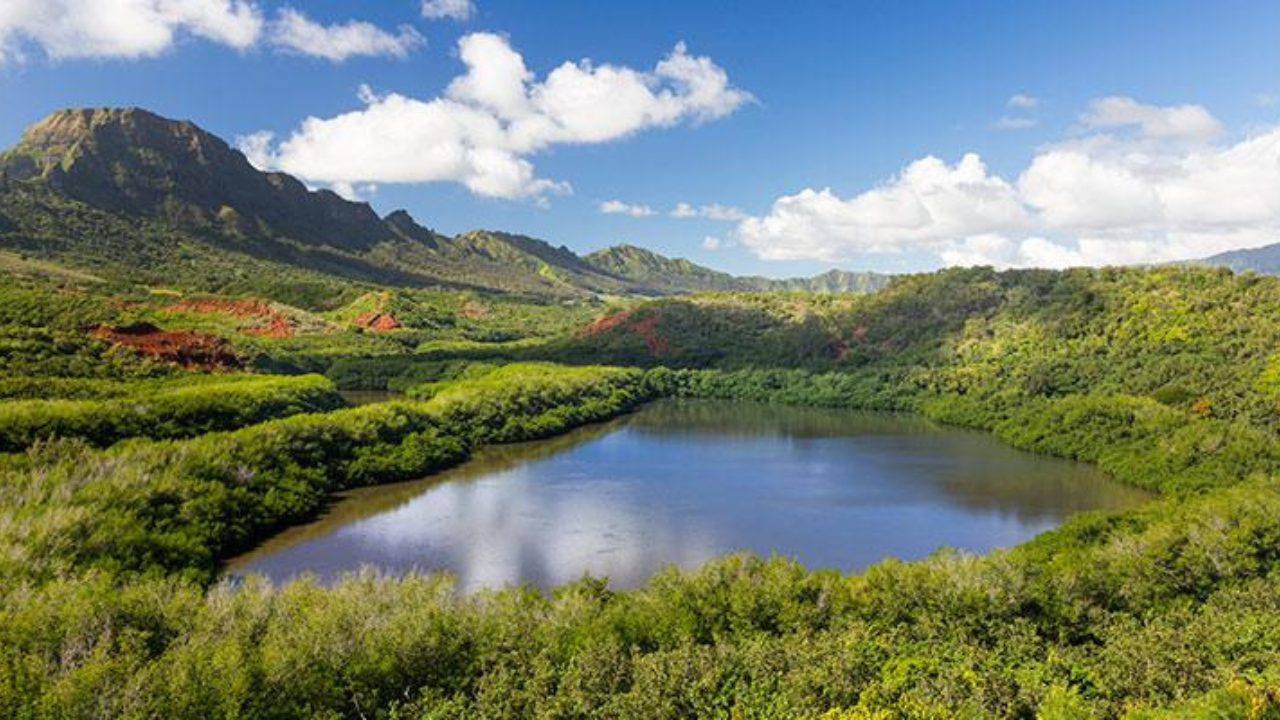
Alakoko is believed to date back around six centuries and is a traditional Hawaiian loko kuapā, or walled fishpond. Its 2,700-foot kuapā forms the defining structure of the pond. The site is also known as Menehune Fishpond because Hawaiian legends say the Menehune, described in traditional stories as skilled builders and among Hawaiʻi’s earliest inhabitants, constructed it. The legend should be understood as part of the site’s cultural tradition rather than as a literal archaeological account of its construction. The fishpond itself is a documented historic and cultural resource. For generations, Alakoko served as a source of fish and limu, or seaweed, and represented a traditional system of managing natural resources and producing food. TPL describes Native Hawaiian fishpond systems as important examples of Hawaiian ingenuity in food sovereignty and natural-resource management.
Years of neglect had damaged the ecosystem
The fishpond had deteriorated over decades as invasive mangroves spread through the area. TPL says the mangroves had engulfed parts of the fishpond and hindered native natural systems and species. Alakoko is adjacent to the Hulēʻia National Wildlife Refuge and forms part of a wider wetland and estuary environment supporting native fish, limu, coastal vegetation and endangered Hawaiian water birds. The site’s historical importance was formally recognised when Alakoko was listed on the National Register of Historic Places in 1973. In 2009, the Historic Hawaiʻi Foundation designated it one of Hawaiʻi’s most endangered historic places because of its vulnerability to environmental degradation and development. Before the property was permanently protected, Mālama Hulē‘ia had already spent four years working with the community to restore the fishpond and its surrounding native wetland and estuary.
The land is returning to community stewardship
The conservation purchase was completed by the Trust for Public Land on November 17, 2021. TPL then transferred the property to Mālama Hulē‘ia, a community-based nonprofit that works to restore the Hulēʻia ecosystem and promote environmental stewardship based on Hawaiian values. Chan and Zuckerberg did not receive ownership of the land. Instead, their charitable donation made it possible for TPL to secure the property and transfer it into long-term community stewardship. The deed requires Alakoko to be used for conservation, education and community purposes in perpetuity. Mālama Hulē‘ia plans to continue restoring the fishpond, surrounding wetlands and wildlife habitat while developing the site as a place for community gatherings and cultural activities.
A working fishpond and outdoor classroom for future generations
The long-term vision goes beyond preserving Alakoko as a historic landmark. Mālama Hulē‘ia plans to restore it as a working fishpond where fish and seafood can once again be grown and harvested, helping provide a sustainable food source for Kauaʻi. The organisation also intends to use the site as an outdoor classroom where students can learn about native ecosystems, traditional Hawaiian aquaculture, history and culture. TPL says the project is intended to create both sustainable food and learning opportunities while protecting 102 acres of culturally and environmentally significant land. The restoration is expected to be a multi-generational effort, with the community continuing to care for the fishpond and surrounding ecosystem.