










NAGOYA: Best known as the home of one of the world’s biggest automobile manufacturers, Nagoya is a blend of industrial might, history and culture. What has largely flown under the radar, however, is the city’s rich sporting tradition, which goes beyond sumo wrestling, kendo or judo.As the Asian Games officially get under way here on Saturday, the Chunichi Dragons, formerly the Nagoya Baseball Club, are celebrating 90 years. Three years after the Dragons were formed, the Nagoya Grampus Eight football club was born.Now known as Nagoya Grampus, the club attracted international attention in the 1990s when it signed England great Gary Lineker and, later, Serbian star Dragan Stojkovic. Lineker spent two seasons in Nagoya before ending his playing career, while Stojkovic enjoyed seven stellar seasons at the club and remains an icon in the city.But the club’s football legacy was shaped just as significantly by a then little-known manager, Arsene Wenger.Wenger spent 18 months at Grampus before heading to Arsenal, where he would go on to become one of the most influential managers of his generation. At a testing stage of his managerial career, the Frenchman embraced the Japanese challenge and transformed Grampus from also-rans into Emperor’s Cup champions in 1995. Under Wenger, the club also won the Japanese Super Cup.For 65-year-old Toshio Kawakita, a lifelong Grampus supporter and now a volunteer at the Asian Games, the combination of Wenger and Stojkovic was the spark that helped reshape football in the city.
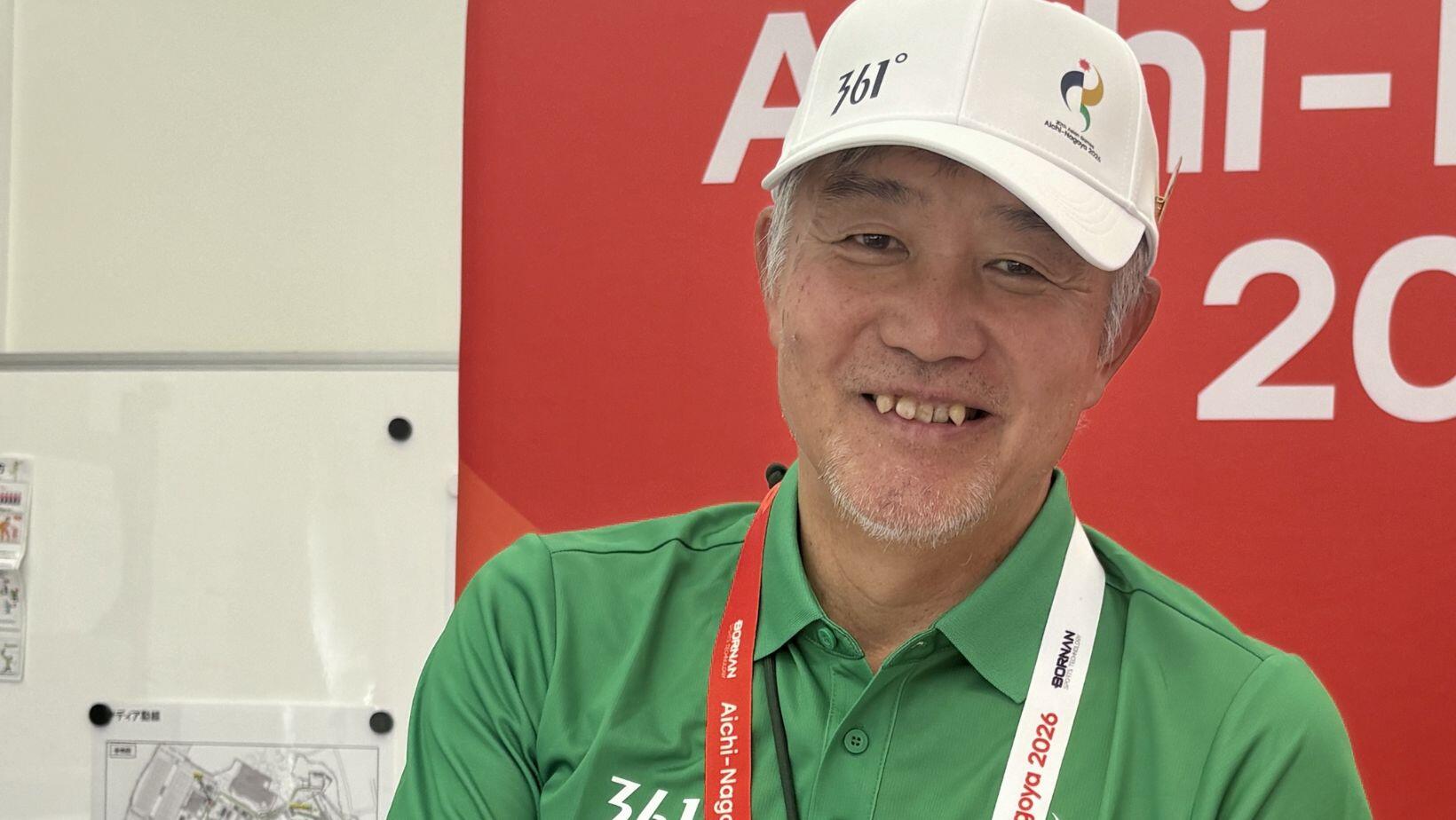
Toshio Kawakita (TOI Photo)
“Wenger changed the way football was played here. He channelised our players’ passion for the sport and not just taught them tactics, he brought in a sense of purpose and direction. Stojkovic hugely helped Wenger in the process because he arrived here as a player first. Stojkovic returned to our club and under him we won the J League championship in 2010. We owe a lot of who we are as a club to them,” Kawakita said.Another Nagoya old-timer, Iori Tanaka, who runs a ramen shop near the Paloma Mizuho Sports Park, has his own memories of watching Lineker and Stojkovic in action.“Who would have thought that the Europeans would come and play football here? Both were at the fag end of their careers when they came here, but ensured a beginning of something new and lasting,” Tanaka said.Tanaka, though, could not resist a little cricket-related wishful thinking.“Who knows, if your cricketers (from India) play in the Japan Premier League, cricket too will get a huge boost here,” he said with a laugh.As the Asiad brings a generation of international stars to Nagoya, from Olympic champions and world medallists to Asia’s emerging sporting talent, the city is set to become a stage for some of the continent’s biggest names. For a city that has already played host to football greats such as Lineker and Stojkovic, and witnessed Wenger’s transformation of Japanese football, the Games offer a chance to make its sporting heritage part of a bigger story.