






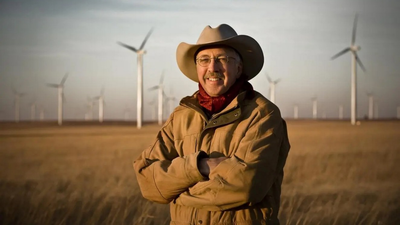
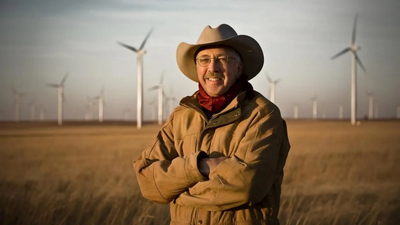
In 2006, the Elk River Wind Power project, then the largest wind power development in Kansas, was switched on across the Flint Hills. Nearly two decades later, according to Good News Network, the royalties from the 50 turbines on rancher Peter Ferrell’s land have made up half his income, helping insulate his family from the volatile economics of ranching and allowing him to pass the property down to his children. Here’s how Ferrell went from sceptic to advocate for wind power on ranch land.
Peter Ferrell’s decision to allow turbines on his Flint Hills ranch
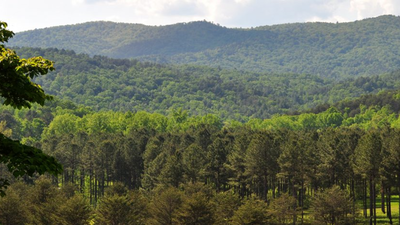
Ferrell, a fourth-generation rancher whose family has worked the same 7,000-acre tallgrass prairie property since 1888, needed convincing before agreeing to let turbines be built on his land. He recalled concerns that the turbines would ruin the landscape, harm the local prairie chicken population, which is vulnerable to habitat loss, and that the royalty payments amounted to little more than an honourless handout. According to a statement Ferrell gave to Avangrid in 2006, marking the project’s 20th anniversary, his decision was shaped by a desire to engage in practices that could be sustained generation after generation without depleting the land’s resources.
How the Elk River Wind Power project came together
Ferrell’s doubts were eventually dispelled with help from a fellow rancher. Ironically, after he decided to move forward with the idea, the original wind project proposal he had agreed to fell through, leaving Ferrell to interview developers himself in search of a replacement. He ultimately signed with Greenlight Energy Resources, and the resulting Elk River Wind project now generates enough power for 60,000 homes. Today, Ferrell’s cattle continue to graze as they always have, the turbines turn across the western half of his property, and the prairie chickens he once worried about still nest on the land.
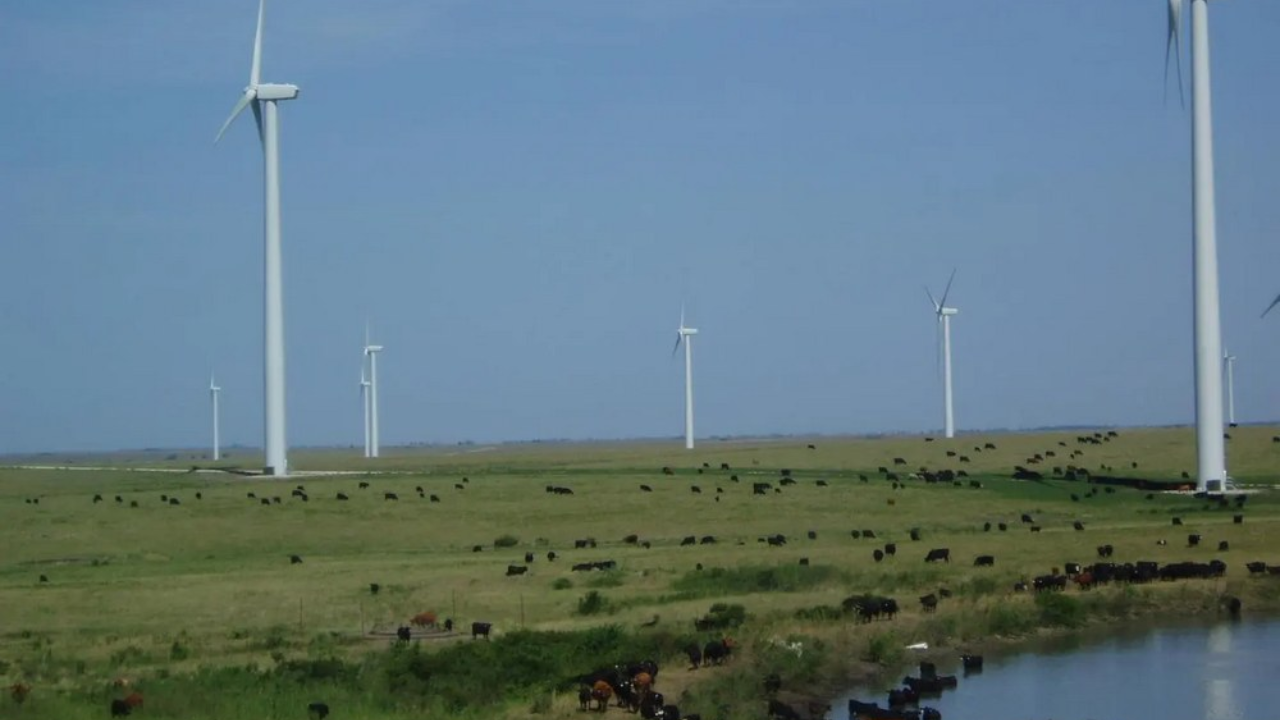
Image: Pete Ferrell
What the wind income means for Ferrell’s family and ranch
Very little has changed on the ranch apart from Ferrell’s financial security. Ferrell has two grown children and four grandchildren who love the property, and he told the Environmental Defense Fund that the wind farm income will allow them to carry the ranch forward without financial burden. He said it would otherwise be difficult to imagine passing the entire farm down debt-free to the next generation, a challenge most ranchers and farmers face, since the vast majority carry some level of debt.
Ferrell now helps other ranchers consider wind power
Since the Elk River project went online, Ferrell has become an informal resource for other landowners weighing the same decision he once faced. “After the wind farm was built, my phone rang off the hook. Farmers and ranchers asking, ‘How’d you do it? Could we get one?'” Ferrell said via Good News Network. Alongside tending his cattle, he now regularly helps other ranchers navigate the same choice that ultimately reshaped his family’s financial future.