









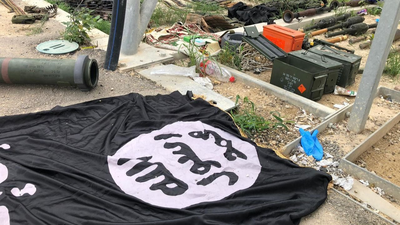
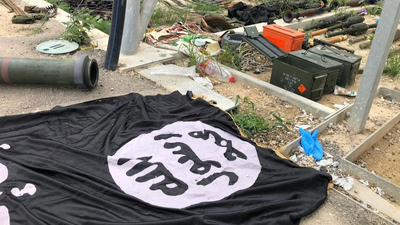
An American boy who went from being a “naive gamer” to embracing an “extreme vision” of Islam became an IS “sympathiser” and eventually a convict working to leave extremist ideology.Daniel Fischer from South Carolina was just 16 when his parents noticed a sudden change in his behaviour.The American teenager became deeply interested in extremist content online, started arguing with his family about religion and eventually told investigators that he wanted to join IS, according to a CNN report.His parents, Ana and Andy Fischer, became concerned after their younger son told them Daniel was watching beheading videos. They took away his phone and PlayStation and tried other ways to intervene, but nothing seemed to work.When FBI and South Carolina law enforcement officers later searched his home, they found two phones, two weapons, a laptop and a journal detailing plans to join IS and kill people, the report said.Daniel was arrested on state charges linked to terrorism and bomb threats. He later pleaded guilty to a conspiracy charge and was sentenced in June to three years in prison and five years of probation.His case highlights a wider concern over teenagers being radicalised online in the US. Since 2024, most of the 19 IS-inspired plots and attacks in the country involved at least one teenager, according to the Institute for Strategic Dialogue, a nonprofit research group cited by CNN.FBI deputy director Christopher Raia said that the age of people turning to extremism is falling, making such cases more difficult for investigators and prosecutors.“The ages of those turning to extremism are getting younger every year, challenging our investigative methods, and complicating the ability for prosecutors to bring federal charges,” Raia said.Experts told CNN that teenagers dealing with loneliness, identity problems or emotional distress can be vulnerable to extremist messaging online. Such groups can offer them a sense of purpose and belonging.Daniel later told a court that he had been going through an identity crisis and had “found myself speaking to the wrong people”.He has also been working with Parents for Peace, a group that helps people leave extremist movements. Its counsellor Mubin Shaikh said IS had given Daniel “that purpose, that meaning, that belonging and that identity”.The FBI said the trend is not limited to one form of extremism. Raia said the rise in juvenile radicalisation involves both domestic and international extremist ideologies.Several other recent cases have involved young Americans accused of IS-inspired plots, underlining concerns about how quickly online radicalisation can turn into plans for violence.