







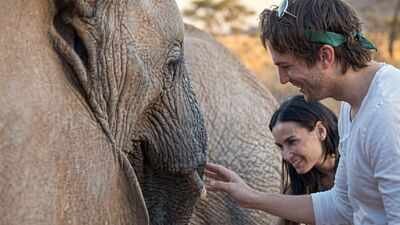
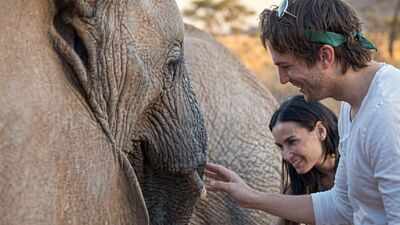
Demi Moore and Ashton Kutcher visited the David Sheldrick Wildlife Trust in Kenya, where they spent time with orphaned elephants at the Nairobi Nursery and older animals at Ithumba. The Trust’s account described the actors as captivated by the project and the individual stories of the elephants they encountered. Their visit also drew attention to wider threats facing African elephant populations, including drought, increased ivory poaching and human-wildlife conflict linked to habitat loss. The Trust’s rehabilitation programme gives orphaned calves specialist care before they progress to facilities where they can gradually prepare for life in the wild.
Demi Moore and Ashton Kutcher visited elephant orphans in Kenya
The couple visited two parts of the David Sheldrick Wildlife Trust’s elephant rescue and rehabilitation programme. At the nursery, they encountered young calves receiving the intensive care required after separation from their mothers. The visit also took them to Ithumba, where older orphans live in a different stage of the programme as they gradually develop the skills needed for life beyond human care.The trust’s account of the visit described Moore and Kutcher as deeply engaged with the project and the individual stories of the elephants they encountered. These histories help explain why each animal needs a different level of support. Some orphans have lost their mothers to poaching, while others have been affected by drought, human-wildlife conflict or other circumstances that leave a calf unable to survive independently.
David Sheldrick Wildlife Trust’s elephant rescue programme
The David Sheldrick Wildlife Trust is known for rescuing orphaned elephants and raising them with the eventual aim of reintegrating them into wild populations. Its nursery in Nairobi provides care for young animals that cannot yet survive without assistance. Keepers supply milk and other appropriate care while helping the calves grow stronger and interact with other elephants.As they mature, the orphans can move to specialist rehabilitation facilities such as Ithumba.Older elephants spend time in a more natural environment, learning behaviours and social skills that will help them live without their human carers.Elephants have long lives and complex social relationships, so successful rehabilitation cannot be measured simply by the age at which an animal leaves the nursery. The transition towards wild living happens gradually, with the animals allowed to develop at their own pace.
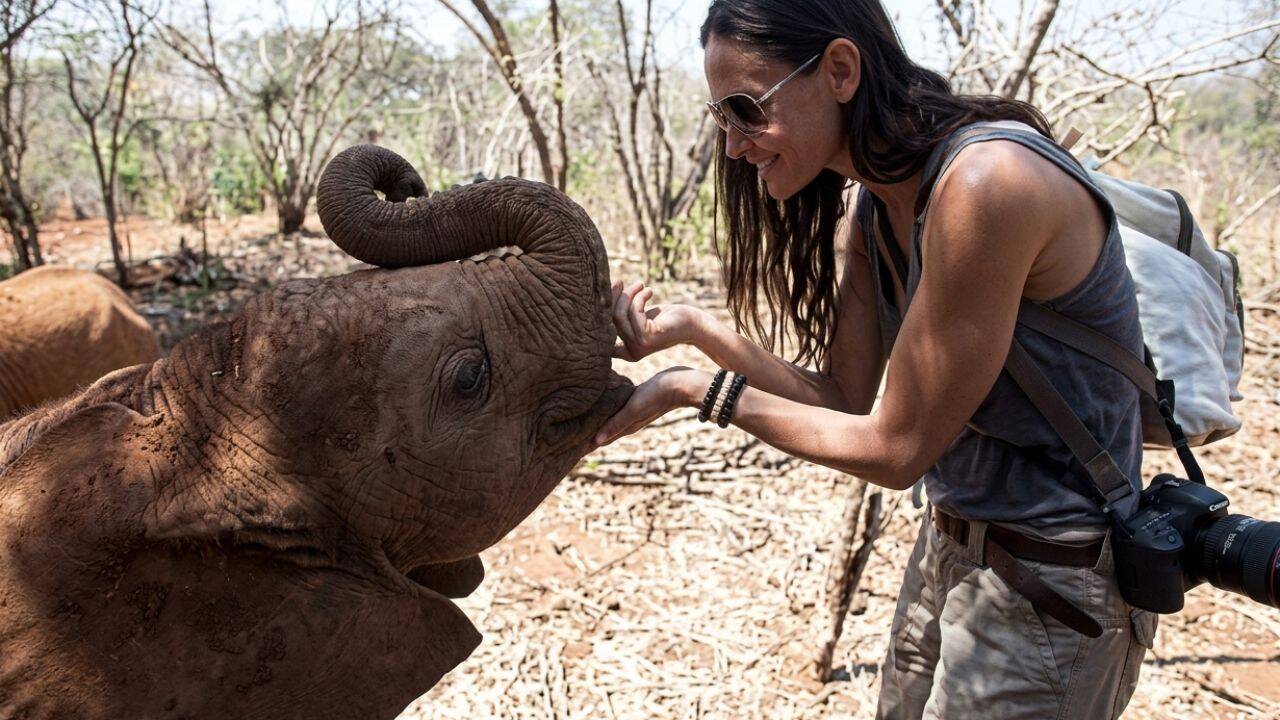
PC: Sheldrick Wildlife Trust
Drought and poaching continue to threaten African elephants
The trust’s account of Moore and Kutcher’s visit highlighted the pressures facing elephants across Africa. Prolonged dry conditions can reduce access to water and food, leaving animals vulnerable to exhaustion and starvation. Calves are particularly at risk when their mothers die or when environmental conditions make it harder for herds to survive.Illegal ivory hunting remains another serious threat. Elephants are killed for their tusks, and the loss of an adult female can leave a dependent calf without the protection and care it needs. Rescue centres may then become the only realistic option for animals that are too young to fend for themselves.Habitat loss adds to these difficulties. As settlements, agriculture and other human activities expand into areas used by wildlife, elephants and people are brought into closer contact. Competition for land and water can increase conflict, sometimes resulting in injuries or deaths for both humans and animals.
Raising orphaned elephants for a return to the wild
Rescue and rehabilitation provide a route to survival for individual elephants, but the longer-term aim is to avoid keeping them dependent on people. The older orphans at Ithumba represent a later stage of that process, moving from the intensive care required by young calves towards a life in which wild elephant behaviour takes precedence.Young elephants must have opportunities to interact with other members of their species, explore their surroundings and develop the instincts that help wild herds find food, locate water and respond to danger. A protected setting gives them time to acquire these abilities without the immediate risks they would face if released too early.