








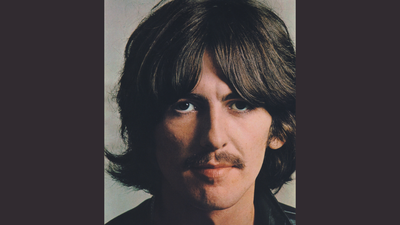
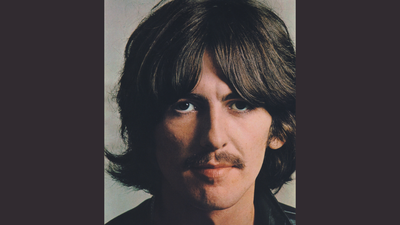
More than 50 years after George Harrison promised to donate his solo music earnings to charity, the late Beatle’s foundation continues to give hundreds of thousands of pounds each year to causes around the world. Annual financial records filed with the Charity Commission for England and Wales show that the Material World Foundation spent £573,221 on charitable work during the 2024 reporting year. The money comes from an agreement Harrison made in 1973. He gave all publishing royalties from his hit solo album Living in the Material World to his newly created foundation permanently. Even decades after his death, income from record sales, streaming and radio play continues to support emergency relief, medical research and community arts projects around the world.
Establishing a permanent gift
Harrison founded the organisation in autumn 1973. He assigned the copyright income from nine tracks on his album Living in the Material World directly to the foundation. These included the publishing rights to his worldwide number-one single, Give Me Love (Give Me Peace on Earth). By handing over these rights permanently, Harrison ensured that money earned from sales, radio broadcasts and public performances of the songs would support charity rather than provide personal income. According to the official history on the Material World Foundation website, Harrison created the organisation to support unusual artistic projects, encourage alternative cultural education and provide financial help to established charities working with people with special needs. The foundation’s first project, launched in late 1973, was to fund the Ravi Shankar Music Festival. The event brought leading Indian classical musicians to London to perform and record new compositions created by Shankar.
Funding global humanitarian efforts
Official records held by the Charity Commission show that the London-registered foundation operates independently and provides grants to charitable causes. It is managed by a board of four trustees, who receive no salary or other payment for their work. The financial reports explain how the foundation uses its income to fund projects directly. In 2024, it spent £573,221 on public health services, education programmes, emergency aid and environmental projects in the UK and other countries. Public records of its grants show that the foundation has supported medical organisations such as Médecins Sans Frontières, Great Ormond Street Hospital Children’s Charity and Macmillan Cancer Support. It has also continued to fund groups working to protect children and young people, including the National Deaf Children’s Society and the National Society for the Prevention of Cruelty to Children (NSPCC). When natural disasters or international emergencies occur, the trustees can direct extra funds towards relief work carried out by established non-governmental organisations. After Harrison died in November 2001, the foundation received further income from a special release of his 1970 hit single My Sweet Lord in early 2002. All net profits from the re-released CD single went directly into the foundation’s main fund for distributing grants.
Sustaining a musician’s vision
The continuing income from Living in the Material World reflects the lasting popularity of Harrison’s solo music. When Apple Records released the album in May 1973, it reached number one on the US Billboard chart and number two on the UK’s Official Albums Chart. The album has remained popular through digital streaming services and physical anniversary editions. This has helped preserve the value of its copyright and provided the foundation with a steady source of money for charitable grants for more than five decades. The board of trustees, which includes Harrison’s widow, Olivia Harrison, decides which organisations receive funding. The trustees do not receive salaries for their work. According to the governance arrangements described in the Charity Commission filings, keeping administrative costs low helps ensure that more of the royalty income reaches the charities and groups receiving support. The Material World Foundation continues to operate from its registered administrative base in London. Its future grant programmes will continue to draw on the royalties generated by Harrison’s 1973 album and its songs, keeping his original charitable commitment alive decades after it was made.