









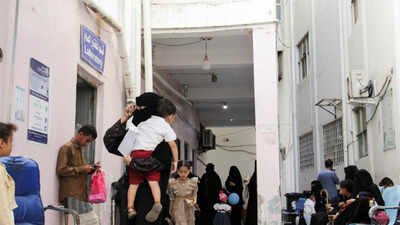
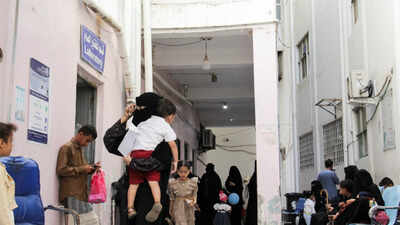
A severe fuel shortage in Yemen’s besieged city of Taiz has brought hospitals to the brink of collapse, as weeks of fighting between the country’s Houthi rebels and the Saudi-led coalition have disrupted vital supplies and worsened the humanitarian crisis, affecting hundreds of thousands of people.One hospital has been forced to reduce the number of incubators in operation from 40 to just 10, putting the lives of newborn babies at risk.“There’s no oxygen, there’s no fuel to run the incubators, to keep the babies warm,” Reuters quoted Nada Ahmed, a nurse at the Yemeni-Swedish Maternity and Childhood Hospital, as saying.Another staff member, Nawal Najeeb, warned that a “catastrophe” could unfold if fuel supplies fail to arrive.“It will be a catastrophe for the babies, a catastrophe of deaths and disabilities,” Najeeb warned.According to World Health Organization (WHO) spokesperson Christian Lindmeier, 42 health facilities in Taiz are facing severe shortages of fuel, oxygen, medicines and other medical supplies.Fuel prices in the city have also soared to 2,000 Yemeni rials per litre, further straining access to essential resources.
Child malnutrition worsens
UN agencies and aid organisations have also warned of worsening hunger and malnutrition in Taiz. The World Food Programme (WFP) estimates that more than 800,000 people in the city and its surrounding areas have lost access to food assistance.Unicef spokesperson Ricardo Pires said that, of the 168,000 children screened in Taiz so far this year, 52,000 were found to be acutely malnourished. More than 11,500 of them were suffering from severe acute malnutrition.Unicef has secured nearly 8,000 cartons of life-saving therapeutic food, enough to support treatment services for around three months. However, Pires warned that deteriorating security and movement restrictions could disrupt future deliveries and prevent families from reaching treatment centres.Meanwhile, Doctors Without Borders (MSF) reported that rising displacement was worsening child malnutrition in southern Yemen, a region already grappling with a prolonged hunger crisis. Families have been forced to flee fighting in the north and along the west coast, further straining resources in areas receiving displaced people.Taiz has been largely cut off since October 3, as escalating clashes between the Saudi-backed government and the Iran-aligned Houthis have blocked humanitarian aid from entering the city and prevented civilians from leaving.