








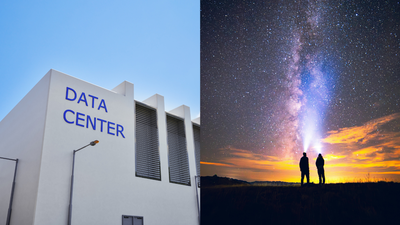
“For my part, I know nothing with any certainty, but the sight of the stars makes me dream.” Vincent van Gogh wrote this in one of his letters to his brother Theo in 1888. More than a century later, the mere sight of stars in a dark sky still reminds us that deep down, we are human. There are very few things left that take us back to ourselves. Art, poetry and stargazing are a few of those. From Aristotle’s Eureka to the Three Wise Men’s hallelujah, the stars have witnessed it all. Today, a community in South Australia is opposing a proposed hyperscale data centre near its dark-sky reserve, fearing that the development could change the rural landscape and threaten the darkness that draws visitors from far and wide.In a world increasingly shaped by technology, even the darkness of the night sky has become something worth protecting. Today, artificial lighting has obscured the view, making exceptionally dark skies increasingly valuable. In South Australia, as reported by ABC (Australian Broadcasting Corporation), residents of Tungkillo are now concerned that a proposed hyperscale data centre and energy hub could threaten the quiet rural landscape and dark skies they cherish. The development, proposed by Melbourne-based Quantum DC, has drawn opposition from locals worried about light and noise pollution. Their concerns have brought a larger question into focus: as digital infrastructure expands, what happens to the natural landscapes and experiences that cannot easily be replaced?
Residents fear a data centre could threaten South Australia’s dark skies
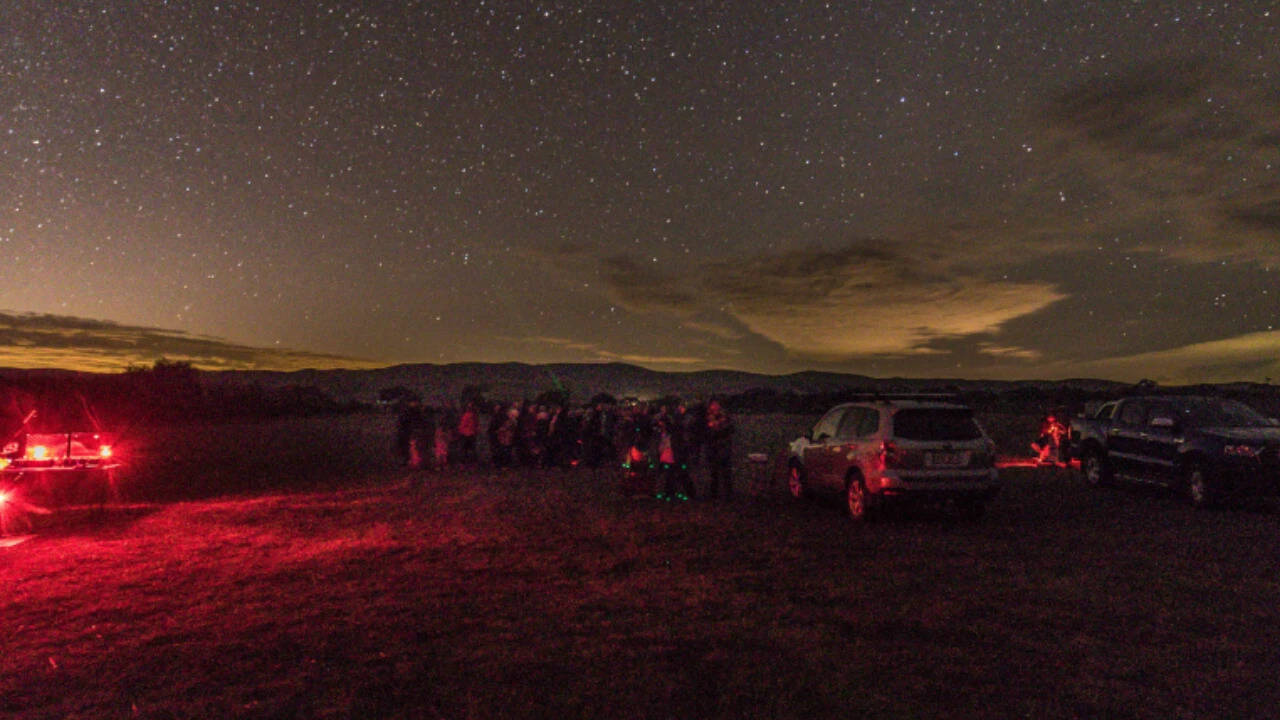
(source- River Murray dark sky reserve offical website )
One of the biggest concerns raised by the community is light pollution. Residents fear that the scale of the project could change the character of the surrounding countryside. Light pollution could make it difficult to observe stars and other celestial objects, even in areas far from major cities. Residents also fear that lighting from the facility, along with the noise associated with its operations, could affect the quiet rural environment and the experience that draws stargazers and visitors to the region.Although the proposed site is 5 km away from the River Murray Dark Sky Reserve, residents are concerned about the potential effects on the wider landscape, particularly given the importance of preserving dark skies in an area recognised for its stargazing opportunities.Quantum DC, the company associated with the project, has cited existing energy infrastructure as one of the reasons for selecting this location. The company has also indicated that specialist studies are being undertaken to assess the potential environmental impacts of the project.The development could bring employment opportunities, including jobs during construction and ongoing operational roles. However, for residents, the question remains whether the economic benefits can be balanced with the need to protect their rural landscape and the darkness that makes the region distinctive.The proposal has not yet reached the formal development application stage, meaning its final design and potential impacts remain to be assessed. As the plans progress, the concerns raised by the community are likely to remain central to the debate over how new digital infrastructure should be developed near environmentally and culturally valued landscapes.
Why dark-sky reserves matter
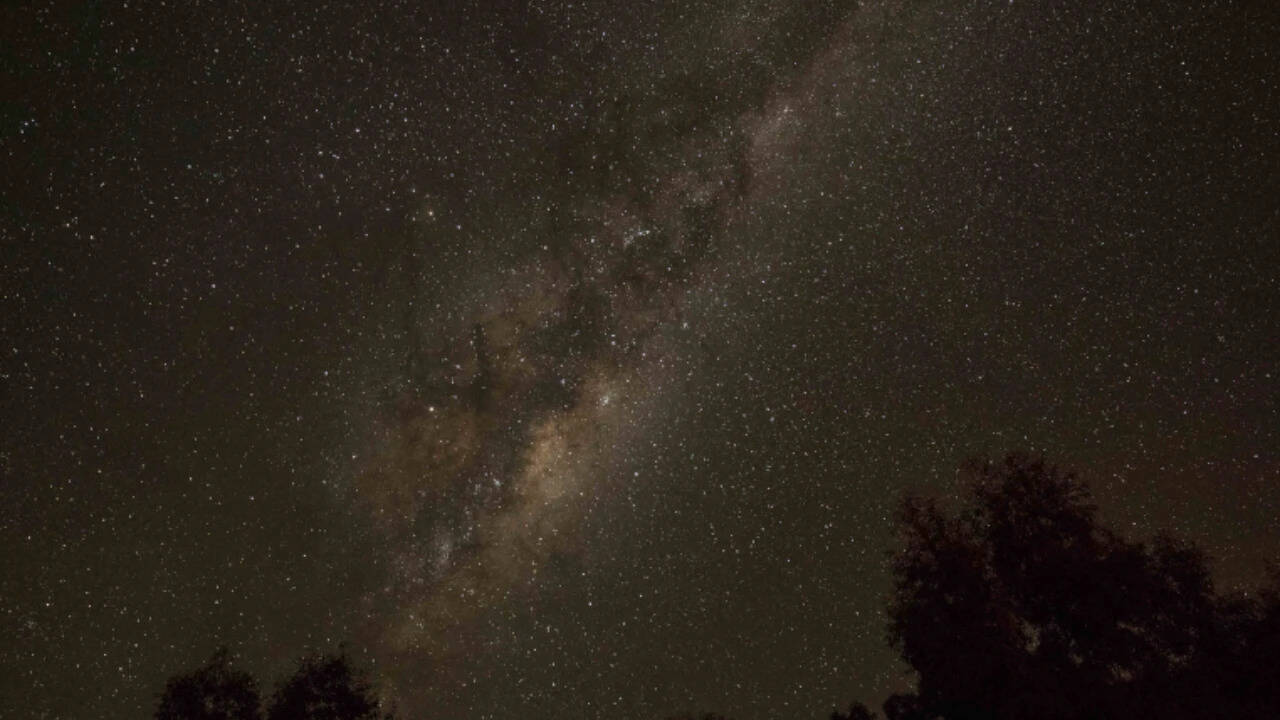
(Source: River Murray Dark Sky Reserve official website)
Dark-sky reserves are designated areas intended to protect the natural darkness of the night sky from excessive lighting. In the modern era, major institutions like the World Bank and the National Oceanic and Atmospheric Administration (NOAA), along with prominent academic economists, consider nighttime light (NTL) an indicator of development. However, residents argue that the value of this development must be weighed against the beauty of their night sky. Many people also visit these places to escape the noise and harsh lighting of cities and relax their senses, as these areas offer an opportunity to experience a night sky that is increasingly difficult to see in urban areas, where streetlights, buildings and other sources of illumination obscure the stars.Beyond stargazing, reducing unnecessary artificial light can also benefit nocturnal wildlife, whose feeding, movement and breeding patterns may be affected by excessive illumination. Dark skies can therefore form part of a broader effort to preserve natural environments and protect experiences that depend on them.The River Murray Dark Sky Reserve reflects this value by recognising the importance of preserving dark skies in the region. The debate surrounding the proposed data centre highlights a challenge faced by communities worldwide: how to accommodate expanding infrastructure while maintaining the natural conditions that make certain landscapes unique.As the demand for digital infrastructure continues to grow, the debate around the proposed data centre raises questions about what communities stand to lose in the process. For residents of Tungkillo, protecting the night sky is about preserving more than a view of the stars. It is about safeguarding the character of a landscape that offers a rare connection to the natural world.