






![Mirzapur: The Movie Full Movie Collection: ‘Mirzapur: The Movie’ box office collection Day 2 [LIVE]: Pankaj Tripathi, Ravi Kishan, and Ali Fazal starrer is set to cross Rs 45 crore on second day | Hindi Movie News](https://bekhabarnewss.in/wp-content/uploads/2026/09/mirzapur-the-movie-box-office-collection-day-2-live-pankaj-tripathi-ravi-kishan-and-ali-fazal-starrer-is-set-to-cross-rs-45-crore-on-second-day-150x150.jpg "Mirzapur: The Movie Full Movie Collection: ‘Mirzapur: The Movie’ box office collection Day 2 [LIVE]: Pankaj Tripathi, Ravi Kishan, and Ali Fazal starrer is set to cross Rs 45 crore on second day | Hindi Movie News")
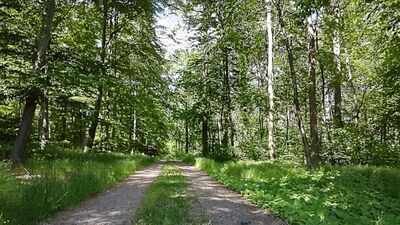
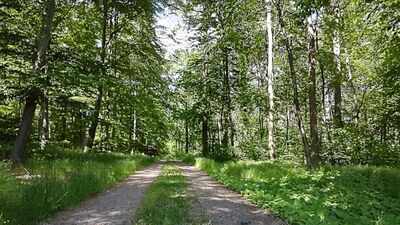
In the early 19th century, Sweden began an extraordinary project on the island of ‘Visingsö.’ Hundreds of thousands of oak trees were planted to secure timber for naval ships that would be built far in the future. Oak was strong, durable and widely valued for wooden shipbuilding, but the trees required generations to reach a useful size. The people behind the project were therefore planning far beyond their own lifetimes. Yet technology changed before the forest could fulfil its purpose. By the time the oaks had matured, naval shipbuilding had moved away from wooden hulls and towards new materials. The forest had spent more than a century growing for a Navy that no longer needed it. Its story, however, did not end there. The trees remained standing, eventually finding different uses and becoming a lasting reminder of an ambitious plan overtaken by progress.
Why did Sweden plant 300,000 oak trees for future warships
According to Atlas Obscura, the project began around 1830, following the Napoleonic Wars. The Swedish Crown wanted to secure a future supply of oak for its naval ships and began searching for a suitable place to grow the trees. That search led to ‘Visingsö,’ an island in Lake Vättern. Representatives sent to examine the island reportedly noticed several impressive oak trees growing near a small farmhouse. The conditions appeared suitable, and the Royal Navy decided to establish a large oak plantation there.Over the following decade, about 300,000 oaks were planted. The project was based on an exceptionally long view of the future. Oak trees grow slowly, meaning the people who began the work knew they would probably never see the forest reach its intended purpose. The trees were grown to produce straight, useful timber The plantation was carefully designed rather than left to develop naturally. Atlas Obscura reports that other species, including ash, elm, maple, beech and silver fir, were planted among the oaks. These surrounding trees encouraged the oaks to grow upwards as they competed for light. This produced tall, straight trunks, making the timber better suited to the needs of shipbuilding. The forest eventually covered nearly 900 acres, or around 360 hectares. Its trees represented a vast supply of timber that Sweden expected to use when they had grown large enough.
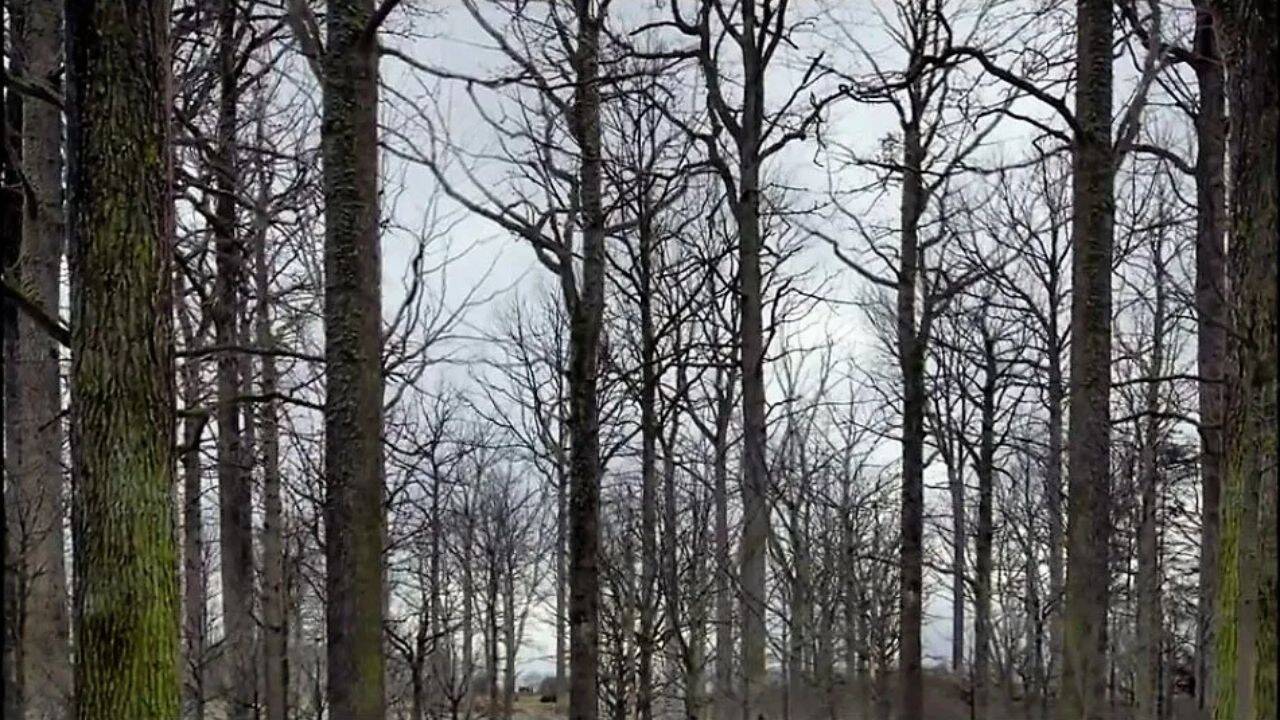
Oak Forest. Image Credit: Atlas Obscura
What happened when Visingsö’s oak trees were finally ready for the Navy
The forest reached maturity at the wrong moment for the plan that had created it. By around 1975, 144 years after the first trees were planted, the Swedish Navy no longer needed vast quantities of oak for warships. Naval technology had changed during the decades the trees were growing, and wooden vessels had been replaced by ships made from iron and steel. According to Atlas Obscura, the trees had become suitable for the purpose for which they were planted, but that purpose had disappeared. The Swedish Navy had successfully waited for the forest to grow, only to find that shipbuilding had moved in a completely different direction.
How did the naval oak forest find a new purpose
The Visingsö oaks did not become worthless when the Navy stopped needing them. Their high-quality timber could still be used in other ways. As per Atlas Obscura, the wood from the forest is suitable for flooring, veneers and furniture. The oak is also used to make high-quality ‘whisky barrels.’ Today, the forest has become part of Visingsö’s identity and a reminder of one of Sweden’s unique long-term projects. Visitors can reach the island by boat from Gränna and explore a landscape created for a military future that never arrived.
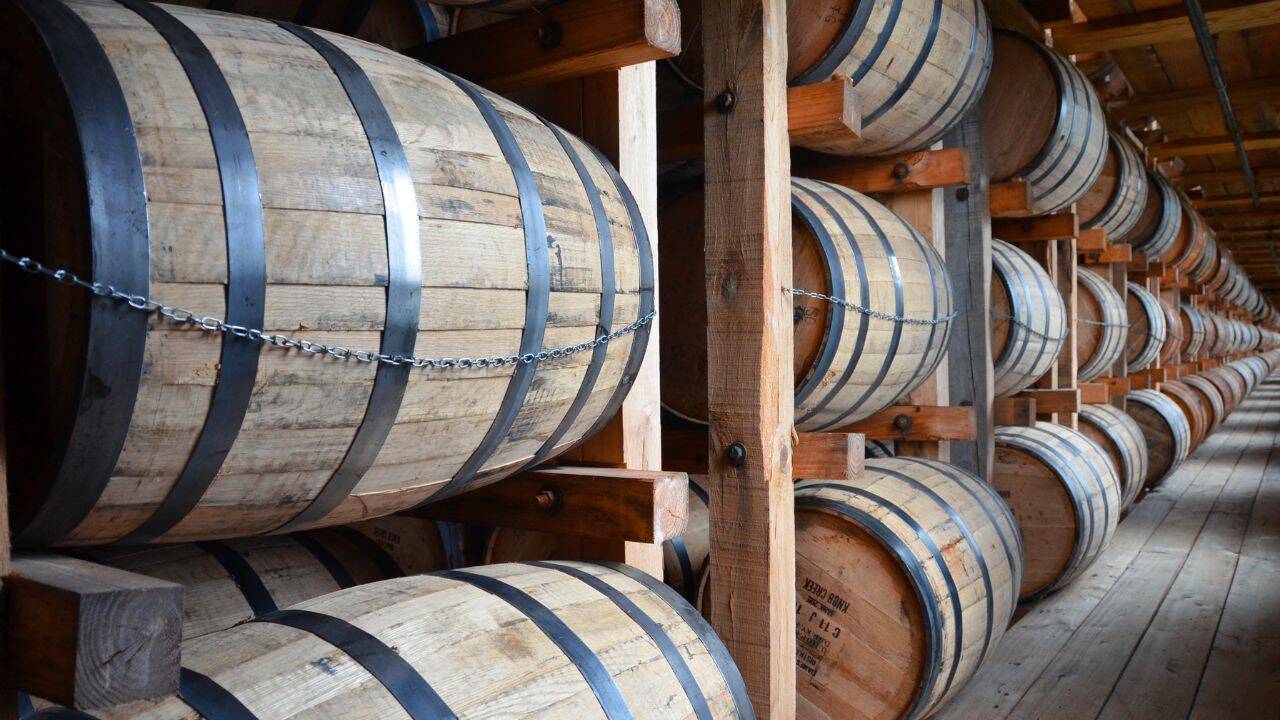
Barrels of whiskey. Image Credit: Wikipedia
A long-term plan overtaken by technological change
The Visingsö oak forest shows the difficulty of planning for a distant future. The Swedish Crown made a serious attempt to prepare for needs that lay generations ahead, but it could not predict how rapidly naval technology would change. Nearly two centuries later, the forest remains a striking legacy of that decision. The people who planted the trees prepared for a future fleet of wooden warships. Instead, the oaks grew into a different future altogether. The forest’s original purpose may have vanished, but the trees survived. Their story now stands as a reminder that nature works on a timescale that technology does not always follow.