








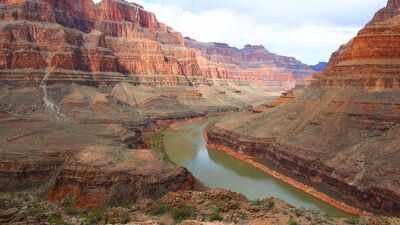
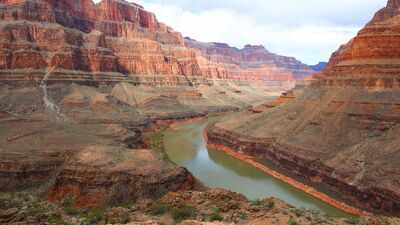
For decades, a single 12.5-mile pipeline has carried water across the arid landscape of northern Arizona to the South Rim of the Grand Canyon, sustaining lodges, campgrounds, restaurants and restrooms for one of the world’s most visited national parks. In late August 2026, a sudden, deadly flash flood tore through the pipeline’s route, rupturing sections of the line and cutting off a major portion of the park’s water supply. With about 6 million visitors expected this year, the damage threatens not only daily operations but also the safety and comfort of guests in one of the most remote tourist destinations on Earth. As reported by The Associated Press, park officials are racing to repair the line while imposing strict water restrictions and preparing for a long, complicated recovery.The pipeline that keeps the canyon runningThe Grand Canyon’s South Rim sits at more than 7,000 feet elevation, surrounded by high desert with limited natural water sources. To meet the needs of millions of visitors and hundreds of employees, the National Park Service relies on a network of wells, storage tanks and, crucially, a 12.5-mile pipeline that transports water from Roaring Springs, north of the park, to the main developed areas along the rim.This pipeline is the park’s lifeline. It supplies water to: hotels and lodges where visitors stay overnight; restaurants, gift shops and visitor centres; campgrounds, restrooms and shower facilities; and fire suppression systems and other critical infrastructure.Without it, the South Rim cannot operate at anything close to normal capacity.A flash flood with deadly consequencesOn August 28, 2026, a powerful storm system moved across the region, dumping heavy rain on already saturated ground. In the park and surrounding areas, dry washes and creeks swelled into raging torrents. Tragically, at least one person died in flood-related incidents, and several others were rescued from dangerous situations.Along the pipeline’s route, the floodwaters did more than rise; they scoured the ground, uprooting vegetation, moving large debris and changing the shape of stream channels. In several places, the force of the water exposed, bent or broke sections of the buried pipeline. When park crews inspected the line, they found multiple ruptures and leaks that had already begun draining valuable water into the desert.Immediate impact on park operationsWith the pipeline damaged, the Grand Canyon’s water system lost a significant portion of its supply almost overnight. Park officials responded by implementing emergency water restrictions across the South Rim: lodges and restaurants were asked to limit laundry, dishwashing and other non-essential uses; some restrooms and shower facilities were closed or operated on reduced schedules; and visitors were urged to shorten their stays, bring their own water and be prepared for limited services.In some cases, water had to be trucked in to critical facilities, an expensive and logistically challenging stopgap. Park staff also began coordinating with nearby communities and tribal nations to explore additional temporary water sources.Repairs in a remote, rugged landscapeFixing the pipeline is not as simple as sending out a repair crew. Much of the line runs through remote, rugged terrain with limited road access, making it difficult to bring in heavy equipment, replacement pipe and construction crews. After the flood, some access roads were themselves damaged or washed out, further complicating the effort.Park engineers and contractors must locate all damaged sections, some of which may be buried under debris or sediment. They should also excavate carefully to avoid causing additional harm to the surrounding landscape, replace or reinforce pipe segments, then test the system for leaks before restoring full flow.Weather remains a wildcard. Another storm could delay work, damage newly repaired sections or create new hazards for crews working in washes and along steep slopes.Why the pipeline is so vulnerableThe Grand Canyon water pipeline was built decades ago, in an era when climate patterns were more stable and extreme weather events were less frequent. Its route was chosen based on the best available data at the time, but it crosses numerous washes and flood-prone areas that have become more dangerous as storms intensify.Park officials acknowledge that the flood damage is likely a preview of future challenges. As the region warms and atmospheric rivers and monsoon storms grow more volatile, infrastructure like this pipeline will face greater stress. Long-term solutions may include: rerouting sections of the pipeline away from high-risk washes; burying pipe deeper or reinforcing it with additional protection; and building redundant systems so that a single failure does not cripple the entire park.But all of these options are costly and time-consuming, and they must be balanced against other pressing needs in a park that already struggles with aging infrastructure.What it means for visitorsFor the millions of people who visit the Grand Canyon each year, the pipeline damage is a stark reminder of how fragile services can be in remote natural areas. Many visitors assume that lodges, restaurants and restrooms will function as they would in a city, but the reality is that everything depends on a small number of critical systems in a harsh environment.During the repair period, visitors are being asked to: bring more water than they think they will need, especially if hiking or camping; be prepared for limited restroom and shower access; expect possible changes to lodging and dining availability; and follow all park guidance and closures, particularly around flooded areas and damaged infrastructure.Park officials stress that the Grand Canyon remains open, but that conditions are fluid and can change quickly.A broader lesson for national parksThe Grand Canyon’s water crisis echoes challenges facing other national parks across the West, where aging infrastructure meets a changing climate. From Yellowstone to Yosemite, parks are dealing with:Roads and bridges damaged by floods and landslides.Water and sewer systems stressed by higher visitation and more extreme weather.Power and communication lines vulnerable to storms and wildfires.The Grand Canyon pipeline incident underscores the need for sustained investment in park infrastructure, not just for visitor comfort but for safety and resilience. It also highlights the importance of planning for a future in which “once-in-a-century” storms may become far more common.Looking aheadIn the short term, the focus is on getting the pipeline back in service and restoring normal water supply to the South Rim. In the longer term, the park will have to decide how much to invest in hardening this critical lifeline against future floods and whether to develop additional redundancy in its water system.For now, the 12.5-mile pipeline remains a symbol of both human ingenuity and vulnerability: a thin blue line across the desert that keeps a world-famous park running, and a reminder that even the most iconic places depend on infrastructure that a single, violent storm can break.