








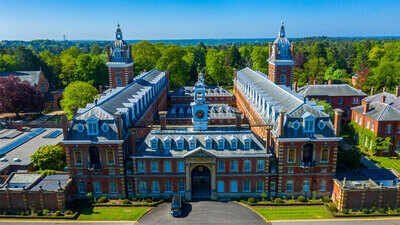

NEW DELHI: The names carry centuries of history. Harrow, Wellington, Queen Elizabeth, Shrewsbury — some of Britain’s most recognisable school brands are now finding new homes in India. But as these institutions enter one of the world’s fastest-growing education markets, they are raising a larger question: are Indian families gaining access to global educational excellence, or are old ideas of prestige and hierarchy being repackaged for a new generation?The return is not political; it is commercial and educational. Indian education companies, developers and investment groups are partnering with historic British institutions to create premium schools aimed at families seeking international exposure. Yet, beneath the language of global learning and leadership lies a deeper debate about why British names continue to carry such influence in independent India.
The power of a name: when heritage becomes a product
For many of these schools, the legacy is central to the offering. A centuries-old crest, alumni network and association with British educational traditions become part of the appeal for parents looking beyond conventional schooling.Harrow, founded in 1572, counts several prominent leaders and writers among its alumni. Wellington College, Shrewsbury and other historic institutions similarly draw on their long histories to build their global identities.“The proposition is not just about a curriculum. It is also about the confidence, heritage and identity associated with a recognised institution,” education sector observers told TNN.However, critics argue that the attraction of these brands reflects a continuing belief that foreign institutions automatically represent higher quality.“One of colonialism’s lasting impacts was the perception that imported knowledge and systems were superior to indigenous capabilities,” Swati Popat Vats, director of Inspirenext Learning Foundation, told TNN. She added that education should not create a hierarchy where international is automatically viewed as better and Indian is seen as needing validation.
Global exposure or a new form of inequality?
Supporters of these partnerships argue that international schools can bring new teaching methods, wider perspectives and opportunities for Indian students.Francis Joseph, India CEO of GEMS Education, told TNN that global education brands entering India must understand that schools are not simply products that can be transferred from one country to another.“Schools are local learning communities, deeply rooted in culture, traditions, local languages and aspirations of the communities they serve,” he said.The challenge, experts say, is ensuring that these institutions adapt to India rather than merely replicate a foreign identity.There is also a contradiction in how some brands travel. In Britain, some historic schools operate under very different models, including selective or publicly supported systems. Their Indian counterparts, however, often belong to the premium private education segment.This difference raises questions about whether it is the educational philosophy that families are seeking — or the social status associated with the name.
India’s education future: beyond imported prestige
The arrival of British school brands reflects a larger shift in India’s education market, where parents increasingly seek international curricula, global university pathways and exposure to different learning models.But education experts argue that global partnerships will have long-term value only if they combine international practices with Indian realities.“Every institution entering India must respect the heritage, values and aspirations of the communities it serves,” Joseph told TNN, adding that the future belongs to schools that combine global excellence with local relevance.The debate, therefore, is not simply about British schools coming to India. It is about what kind of education system India wants to build — one that borrows from the world while strengthening its own confidence, or one that continues to measure excellence through external validation.As these historic names appear on Indian school gates, the question remains: are they opening doors to a wider world, or reinforcing the old belief that prestige must come from elsewhere?Disclaimer: This article is an analysis based on reporting by TNN and expert opinions. The views and questions explored are intended to encourage informed discussion and should not be construed as an editorial position of The Times of India.