







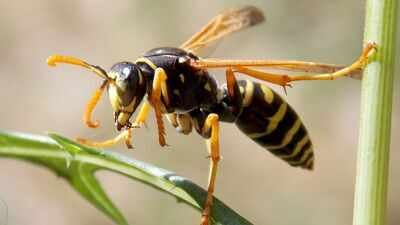
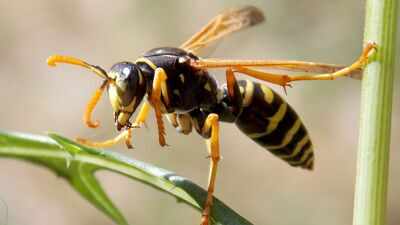
Britain’s summer is missing one of its most familiar insects. Wasps that usually gather around outdoor food, patrol gardens and become increasingly noticeable in late summer appear unusually scarce in 2026. The shortage has become so pronounced that researchers are struggling to collect enough insects for laboratory experiments, while the few wasps being seen appear smaller than expected for the season. Scientists suspect that a combination of volatile spring weather, repeated heatwaves and reduced food supplies may have disrupted colonies before they could grow. As reported by ScienceDaily, the evidence is not yet based on the country’s main national survey, so researchers are treating the pattern cautiously. Even so, the unusual absence is drawing attention because wasps are important predators, pollinators and decomposers, not simply unwanted picnic visitors.A summer without the usual buzzFor many people, the absence of wasps may sound like good news. Fewer insects around outdoor meals means fewer stings, fewer nest removal requests and less anxiety during warm weather. Yet wasps play important roles in ecosystems, and their disappearance may signal changes that are more significant than a quieter garden. Social wasps eat caterpillars, flies and other insects, helping to control populations that can harm plants and crops. The adults also forage flowers for nectar, aiding in pollination. When wasps die, their bodies and remains of their prey become part of nutrient cycles, making them decomposers as well as predators. Their seasonal abundance tends to follow a familiar pattern. Queens emerge in spring, found nests and produce workers. The colony grows through summer, eventually producing reproductive males and queens. By late summer, workers are often highly visible as natural food sources decline and they search for sugar near homes, gardens and outdoor gatherings.This year, that pattern appears disrupted. The insects are not simply arriving late in some places. Researchers and pest control professionals are reporting noticeably lower activity.Scientists struggle to find specimensThe shortage has been particularly obvious to wasp biologists. Researchers need live wasps for experiments examining behaviour, ecology, communication and colony organisation. This year, students have struggled to find enough insects for planned studies.That difficulty offers an unusual form of evidence. Scientists who work with wasps know where and when to look for them, and they are familiar with normal seasonal activity. When experienced researchers cannot collect specimens, the absence becomes difficult to dismiss as a casual impression. However, anecdotal evidence is not the same as a national population estimate. The Big Wasp Survey, the United Kingdom’s main public monitoring project for wasps, had not yet begun collecting its 2026 summer samples when the reports emerged. Until those data are available, researchers cannot say precisely how much populations have declined or whether the pattern affects the entire country equally.Some areas may have normal numbers while others experience severe shortages. Local weather, habitat and food availability can all influence colony success. Scientists therefore need systematic sampling before drawing firm conclusions.A strange springThe possible explanation begins with the weather earlier in the year. Spring 2026 started with warm, dry conditions that would normally favour wasp colonies. Warm weather can help queens forage, develop eggs and find prey for their larvae. Dry periods may also reduce the risk of nests being damaged by persistent rain.But the season then became unusually unstable. Periods of extreme heat were interrupted by sudden cold and damp weather and surprisingly cool nights. Such rapid changes can be hard on insects whose activity and development is triggered by temperature. A queen establishing a nest during a warm spell could find herself in trouble if cold or wet weather hits unexpectedly. She may abandon the nest, die while foraging or fail to raise enough workers to support colony growth. If many queens are affected at the beginning of the season, the consequences can continue for months.Instead of a strong spring population expanding into large summer colonies, the country may have started the season with fewer successful nests. Repeated heatwaves could then have added further pressure.The heat limit of waspsEvery insect has a critical thermal maximum, often called CTmax. This is the approximate temperature beyond which the animal begins to lose normal function and may suffer dehydration, muscle spasms, immobility or death.Researchers estimate that social wasps may have a CTmax of around 45 degrees Celsius. That is lower than the tolerance reported for some other social insects, including honeybees. Air temperatures do not tell the whole story because ground surfaces, pavement, roofs and exposed soil can become much hotter than the air.A wasp colony may therefore experience dangerous conditions even when the official air temperature appears only moderately extreme. Nests exposed to direct sunlight can overheat, while foraging workers may struggle to find shade or water.Heat can affect different stages of the colony. Adults may become stressed or dehydrated, while larvae depend on workers to bring food and regulate nest conditions. A prolonged hot period can disrupt both the individual insects and the social system that keeps the colony functioning.Why the remaining wasps look smallResearchers have also noticed that the wasps being seen appear unusually small. In a normal late summer, many workers should be larger than the early season individuals that emerge from newly established nests. Instead, some of the insects still look “spring sized.”Several explanations are possible. Larvae may be receiving less food if prey populations are limited. Adult workers need protein rich insects to feed developing larvae, and a shortage could restrict growth. Dry conditions may also reduce the number of caterpillars, flies and other prey available around nests.Temperature itself may play a role. The 2026 observations are particularly interesting because of that possibility. Insects reared at the higher temperatures might develop faster and reach the pupal stage at a smaller size. Faster development might allow larvae to complete their life cycle before conditions become lethal, but the adults that emerge might be smaller. Researchers may be seeing not only fewer wasps but also a physical change associated with heat stress. If similar patterns appear in future years, smaller body size could become one way to observe the effects of climate change on social insects.A warning for ecosystemsThe decline is not yet confirmed as a nationwide collapse, but it raises concerns about ecological consequences. Wasps are important natural enemies of other insects. Without predatory wasps, gardeners and farmers could see more caterpillars or flies, but pest populations are influenced by many factors. Wasps have relationships with plants and other animals, too. Adults consume nectar, but their nests also host complex social communities. The removal of one group from a food web can have consequences for species that feed upon them or compete with them for resources. The importance may extend beyond wasps. If extreme heat and volatile weather are impacting colonies, other insects with similar thermal limits or food requirements may also be under duress. Insects are central to pollination, decomposition and nutrient cycling, so changes in their abundance can influence whole ecosystems.A single unusual summer does not establish a long term trend. But repeated extremes can gradually reshape populations, especially when insects face habitat loss, pesticides, disease and reduced food supplies at the same time.Measuring what is happeningThe Big Wasp Survey will be important for determining whether the reports match national patterns. Public participants collect wasps using standardised methods, allowing scientists to compare abundance and species across regions and years. Such surveys can reveal whether the shortage affects common social wasps, solitary species or both. They can also show whether some parts of Britain have higher numbers because of local habitat, rainfall or temperatures.Researchers will need more than counts. Measuring body size, colony development and reproductive success can help identify the mechanisms behind the change. If wasps are smaller, scientists can examine whether the difference is linked to prey availability, larval temperature or other environmental conditions. Long term monitoring is especially important as climate patterns become less predictable. A short survey can capture a snapshot, but repeated observations reveal whether an unusual year is an isolated event or part of a broader decline.A complicated relationship with waspsPeople often view wasps mainly as pests, especially when workers become persistent around food and drinks in late summer. Their stings can be painful and dangerous for people with allergies. Managing nests near homes and public spaces remains important. That understandable concern can obscure their ecological value. The same insects that disturb picnics also hunt pests, pollinate flowers and contribute to decomposition. A healthy environment does not require people to welcome wasps inside their homes, but it does depend on recognising that they are part of a larger system. The strange summer of 2026 is a chance to reconsider that relationship. A less boisterous season may be convenient, but it should also prompt questions about what is different. If weather extremes are disrupting wasp colonies, the absence could be an early sign of stress that affects other species later.What comes nextScientists will continue looking for wasps, measuring their size and waiting for the national survey data. The results may confirm that populations are unusually low, reveal strong regional differences or show that the apparent decline was concentrated in particular habitats.Until then, researchers are avoiding definitive claims. The evidence is striking, but it remains preliminary. Weather, prey availability, disease and local habitat conditions may all have contributed to the pattern.The few small wasps seen this summer may therefore represent more than an odd seasonal curiosity. They could provide a glimpse of how insects respond when heatwaves, cold snaps and food shortages arrive in quick succession. Britain’s wasp population may recover in a cooler or more stable year, but the 2026 observations show how vulnerable even familiar insects can be when climate conditions move beyond their usual range.