





Denmark and Germany are developing Bornholm Energy Island as a major offshore wind hub in the Baltic Sea, designed to collect 3GW of electricity and send it to both countries. The project will use the Danish island of Bornholm as a central point for the power generated by wind farms placed offshore. From there, electricity will travel through underwater and land-based cables to national grids in Denmark and Germany. The agreement marks a significant step towards sharing renewable energy across borders, while turning Bornholm into an important link in Europe’s expanding offshore power network.
3GW Bornholm Energy Island will connect offshore wind to Denmark and Germany
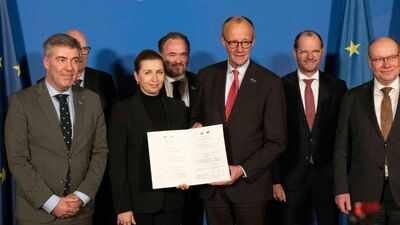
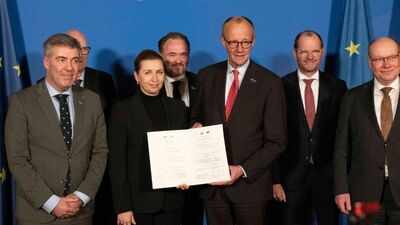
The Bornholm Energy Island project is centred on using the island as a power hub rather than simply building wind farms for Denmark alone. According to the European Commission, Denmark and Germany reached an agreement on the joint development of the project at the North Sea Summit in Hamburg on 26 January 2026. The Commission described it as the first key delivery of its Energy Highways initiative.The project is planned to link 3GW of offshore wind generation with the electricity grids of both countries. This means electricity produced in the Baltic Sea can become a shared resource rather than remaining tied to a single national system. The European Commission says the project could also provide a blueprint for similar offshore developments elsewhere in the European Union.
How will the island handle electricity from the Baltic Sea
The Danish Energy Agency explains that the wind turbines will be installed around 15 kilometres from Bornholm’s coast. From the offshore wind farms, electricity will be brought to the island, where electrical equipment will prepare it for transmission over long distances.The power will then be sent through cables towards Zealand in Denmark and towards Germany. The Danish Energy Agency says the 3GW capacity could correspond to the electricity consumption of up to 4.5 million Danish and German households. It would also double Denmark’s existing offshore wind capacity, which the agency lists at 2.3GW. The arrangement is intended to make better use of electricity depending on where demand is highest.
The project is designed as a shared European power system
The island’s role goes beyond collecting electricity from nearby turbines. According to the Bornholm Energy Island (BEI) project website, wind farms will be connected through a single hub, allowing their electricity to reach consumers in Denmark and Germany while also providing capacity for cross-border electricity trading.The technical system will use 525kV high-voltage direct-current cables. Electricity from the wind farms will be concentrated at Bornholm before being carried through sea and land cables to substations in Zealand and Mecklenburg-Western Pomerania in Germany. The system will also allow Bornholm itself to remain connected to Zealand and continental Europe.That cross-border design is one of the project’s most significant features. Instead of each country developing separate offshore connections, the two countries are sharing infrastructure and the electricity produced through it.
Why is Bornholm important to Denmark’s offshore wind plans
For Denmark, the project represents a substantial expansion of offshore wind generation. The Danish Energy Agency says that BEI was originally planned with a smaller capacity, but the target was increased from 2GW to 3GW in 2022.The project grew out of Denmark’s 2020 climate agreement and forms part of the country’s wider effort to expand renewable electricity. The agency says the energy island is expected to become one of the largest construction projects in Danish history.The island was selected not simply as a place to put electrical equipment, but as the central point where offshore generation can be gathered and then distributed in different directions. That makes the project particularly suited to cooperate with Germany.
What infrastructure will connect the wind farms with Germany
The power hub requires a large network of electrical equipment and cables on both sides of the border. Energinet and 50Hertz are jointly developing the project, with Energinet responsible for the Danish electrical infrastructure and 50Hertz involved in the German connection. The project website reports that 50Hertz’s planned connection will have a transmission capacity of 2,000MW, with much of the cable route running offshore.
EU funding gives the cross-border project additional support
The scale of Bornholm Energy Island has also attracted European backing. The European Commission says the project has been designated a Project of Common Interest and has received a €645 million grant through the Connecting Europe Facility.The funding is intended to support the infrastructure needed to connect offshore wind generation with the two national grids. The project website describes the planned connection as the world’s first hybrid direct-current interconnector of its kind.
Bornholm is preparing for a major change in its landscape
The energy project is also affecting the island itself. Electrical facilities are planned near Aakirkeby, while the surrounding area has undergone environmental and archaeological investigations.According to the BEI project website, archaeological pre-investigations near Aakirkeby have revealed evidence spanning thousands of years, including remains from the Stone Age, Bronze Age, Iron Age and Viking Age. More than 35 hectares have been identified for excavation, making the work the largest archaeological excavation planned on Bornholm.The project has also involved public consultation and environmental assessment. The website reports that Denmark granted an environmental permit covering the Danish onshore and offshore facilities and cables after consultation processes between 2022-25.Bornholm Energy Island is therefore becoming more than a wind-power project. It is being built as a shared electricity hub where offshore generation, national grids and cross-border energy trading meet. If completed as planned, its 3GW of wind power will give Denmark and Germany a common source of renewable electricity while offering a model for how future offshore energy hubs could connect several European countries.