



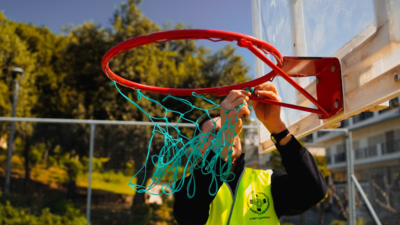
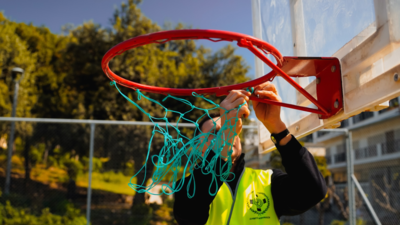
A collaboration between basketball and marine conservation has given discarded fishing equipment a second life on public courts in Athens. The Charles Antetokounmpo Family Foundation (CAFF), established by NBA star Giannis Antetokounmpo and his family, partnered with Greek marine-cleanup organisation Enaleia to replace worn-out basketball nets with new ones made from recycled fishing gear. According to reports by Enaleia, B2Green and Dnews in April and May 2026, the initiative was carried out in cooperation with OPANDA, the cultural, sports and youth organisation of the Municipality of Athens. The project focuses on a problem that often goes unnoticed in discussions about marine pollution: discarded fishing equipment. Nets and other fishing materials can remain in the marine environment long after they have stopped serving their original purpose, posing a threat to marine ecosystems and wildlife.
US Midterm Election Results 2026
The replacement work covered 80 basketball nets that were either damaged or had been removed from outdoor courts. The new nets were produced in Greece using discarded fishing equipment collected through designated port reception facilities. Rather than allowing the material to become another source of marine waste, the partners found a way to repurpose it for everyday public use.The installations have been spread across neighbourhoods throughout Athens, including Sepolia, Pangrati, Exarchia, Neos Kosmos and Kypseli. The project also extends to courts in areas such as Koukaki, Metaxourgeio and Ampelokipoi, bringing the recycled equipment into spaces used by local residents and young basketball players.The environmental organisation behind the initiative, Enaleia, works with a network of more than 6,000 fishers to recover marine plastic and used fishing equipment. Its work includes collecting discarded materials before they re-enter the marine environment and finding ways to put them back into productive use through recycling and upcycling.For the Antetokounmpo family, the partnership also builds on a longstanding connection between basketball and community development. Through CAFF, the family supports programmes centred on sport, education and opportunities for young people. Its AntetokounBros Academy, for instance, has provided basketball training and life-skills opportunities to children from financially vulnerable backgrounds in Athens.What makes the initiative interesting is that it takes an environmental problem and turns it into something people can actually see and use. Discarded fishing nets are often out of sight once they are pulled from the water, but their impact on marine life can last much longer. By giving these materials a new purpose on basketball courts, the project brings the idea of recycling into everyday spaces. For children and young players using these courts, the new nets are also a small reminder that even waste can be put to better use.The project also gives young players and local residents a chance to realise how small changes can make a difference. Basketball courts are used by people of all ages, making them a natural place to bring this message closer to the community. Instead of letting old fishing nets go to waste, the partnership has found a way to turn them into something useful again. By bringing recycled fishing gear onto neighbourhood basketball courts, the collaboration connects two causes that are particularly relevant to the city: access to public sporting facilities and the protection of marine ecosystems. It also offers a practical example of how materials typically associated with ocean pollution can be repurposed for something communities use every day.