





John Paul DeJoria was six years old when his mother handed him and his brother a single dime one Christmas. Wondering what the money was for, John looked at his mother. She asked him to drop it into a bucket beside a man ringing a bell outside a downtown Los Angeles department store.The coin could buy a few candy bars back then, and the boys wanted to know why they had given it away. Their usual Christmas treat was a visit to see the holiday displays.“This is the Salvation Army that helps people who really are in need. Remember, boys, no matter how much you have, there is always someone who is more in need than you. Always try to give, even if it is just a little,” their mother told them.
A lesson that stayed
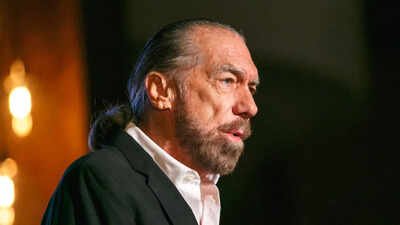
The lesson stayed with John Paul DeJoria for the rest of his life. It guided him through two periods of homelessness and remained central to his outlook even after he became a billionaire. Having experienced hardship himself, he would go on to make giving back a defining part of his life. From feeding orphans and helping homeless people find employment to protecting whales, rescuing young girls from prostitution and helping Appalachian families grow their own food, DeJoria has made philanthropy a central part of his life.John Paul DeJoria, 82, is the founder of hair-care company John Paul Mitchell Systems and premium spirits brand Patrón. In 2011, DeJoria joined Warren Buffett, Bill Gates and Melinda French Gates in signing the Giving Pledge, committing to give away at least half his wealth to philanthropy. In his pledge letter, he wrote: “I plan to help the world now and in the future, through my trust and my family, with half (if not more) of what I have been blessed with today.”
A childhood shaped by hardship
DeJoria’s mother raised him and his brother in a European immigrant community in downtown Los Angeles. From the time he was two, it was just the three of them. They were poor in material wealth but rich in love and kindness. “We didn’t have very much, not even a TV; however, we always felt we had enough,” the billionaire recalled in his pledge letter.This lesson later became his philosophy, which he sums up as “success unshared is failure”. It is also the title of his recently published autobiography.
He was homeless twice
Going from homelessness to billionaire status is a journey few can imagine. DeJoria first became homeless at 22. He came home from a job at a vehicle show to find that his wife had emptied their bank account, left their two-year-old son in the living room with a note, and left the rent and utility bills unpaid. The landlord was preparing to evict them.With a 1951 Cadillac that needed water every few hours, the family lived in the car and collected soda bottles from vacant lots for the two-cent and five-cent refunds. A biker friend, Lee Meyers, eventually offered them a spare room.DeJoria’s second spell of homelessness came in 1980, when the European investor backing his planned $500,000 hair-care company pulled out. He and hairdresser Paul Mitchell pooled $350 each. Before launching John Paul Mitchell Systems with Mitchell in 1980, DeJoria had been living in his car. In 1989, he co-founded The Patrón Spirits Company, which was acquired in 2018 in a deal valuing the company at $5.1 billion.
Giving back
John Paul DeJoria never forgot the importance of giving back to those in need. In 2011, he signed the Giving Pledge, a commitment by wealthy individuals and families to give away at least half their fortunes. “Giving back is a practice and joy I want my family to continue,” he said.The same year, he and his family established the JP’s Peace, Love & Happiness Foundation. The foundation reflects his personal interests, including food security, support for homeless people and veterans, animal protection, and the protection of vulnerable women and children.The foundation’s best-known project is Grow Appalachia, an initiative of Berea College in Kentucky. The programme teaches families to grow their own produce. DeJoria made an initial donation of $150,000 in 2009, and the work has since continued through his foundation. According to the programme, it has helped more than 13,000 families grow almost 8 million pounds of produce.DeJoria has also embedded the principle of helping those in need into his businesses. His company provides employees with 2,664 hours of paid time off to volunteer. And it all goes back to that one piece of advice from his mother: there is always someone who is more in need than you. Always try to give, even if it is just a little.