







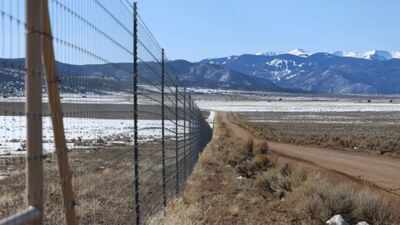
A land dispute in Colorado dates back to an 1844 Mexican land grant and continues to involve questions over who can access the property and for what purposes. The land, now known as Cielo Vista Ranch and traditionally called La Sierra, covers about 80,000 acres in Costilla County.According to the Colorado Governor’s Office, the Sangre de Cristo Land Grant was established in 1844 in connection with the Treaty of Guadalupe Hidalgo between the United States and Mexico. The property has since become the centre of a long-running legal dispute involving heirs of the original land grant and the owners of the ranch.The dispute has focused on access rights held by land grant heirs and community members. These rights include access for activities such as collecting firewood and grazing livestock. Over the years, landowners have restricted access to parts of the property, leading to repeated legal battles over the extent of those rights.The latest attempt to address the dispute came as Colorado Governor Jared Polis signed an executive order on Wednesday, naming former US Interior Secretary and Ambassador Ken Salazar as a special envoy. Salazar has been asked to help bring the different sides together and develop a recommendation on the long-term disagreements.“We can and must do better than eternal litigation and conflict in our Colorado for all. This Executive Order is about creating an open dialogue, bringing together heirs of the original land grant, residents of the wider community and the property owner to find a path forward that improves quality of life in the valley. Coloradans in the San Luis Valley deserve a real seat at the table when it comes to decisions that shape our communities” Polis said in a statement.Salazar, meanwhie said, “I’ve spent my life in the San Luis Valley, and that’s why I know how much this land means to the people who have called it home for generations. I’m looking forward to working alongside the community to listen closely, ask the right questions, and help find a path forward that works for all parties,” he said.
Decades-Old Dispute
According to the Keystone Policy Center, the Cielo Vista Ranch/La Sierra dispute has been running for about 40 years, making it the longest-running legal dispute in Colorado. The organisation became involved after the new landowner and land grant heirs agreed in December 2018 to pause litigation and try to work through their differences.It facilitated meetings and discussions between the sides in an effort to find areas of common interest. The dispute, however, has continued through separate legal proceedings concerning access and the use of the property.
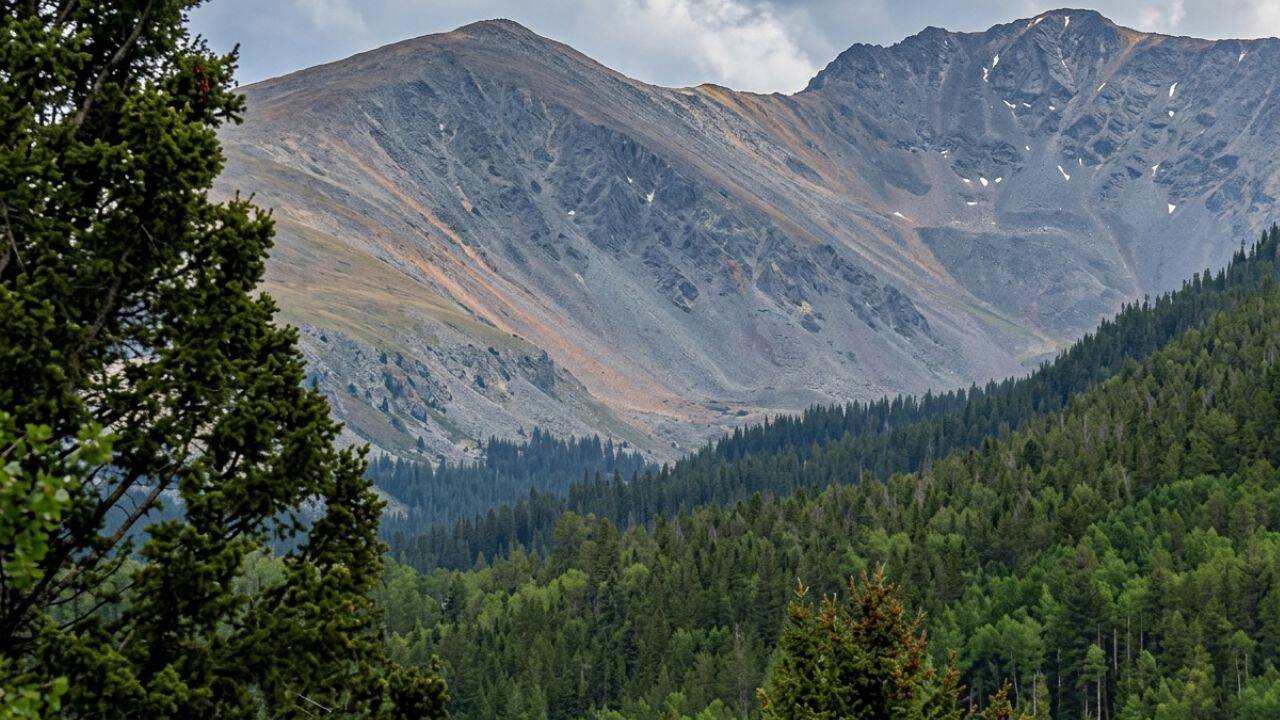
The 14,053-foot Culebra Peak is inside the Cielo Vista Ranch in Colorado’s San Luis Valley. (Photo provided by Mirr Ranch Group)
A ruling reported in May 2026 also dealt with access for grazing. In that case, a special master, David Tenner, found that heirs could continue grazing sheep and cattle on La Sierra. At the same time, firewood gathering would end in a 233-acre area around the house.The ruling examined how people tending sheep could reach grazing areas. Testimony from sheep owners Alonzo Lobato and Richard Kuhn said handlers needed to pass through the disputed area to reach Perdido Canyon, an important grazing area.Tenner found that sheep required regular attention from the people looking after them. He also concluded that blocking access around the homesite would effectively prevent a reasonable route to Perdido Canyon.According to the ruling, older sheep trails had become overgrown during the prolonged dispute. A road built for the ranch owner’s house about five years earlier had become the only workable route to the canyon. Tenner said the privacy area sought by the owner should be accompanied by an extended road or path that would allow access-rights holders to reach the canyon without going directly through the home area.
A long history
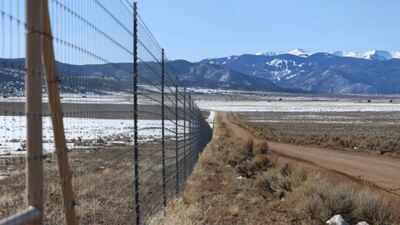
The Cielo Vista Ranch dispute is linked to the wider history of the Sangre de Cristo Land Grant. Keystone describes the 1844 grant as an 80,000-acre Mexican land grant along the Sangre de Cristo range and the only land grant of its kind in Colorado.The property is now privately owned, while heirs of the original land grant continue to assert historic access rights. The disagreements have included access for grazing and collecting firewood.In 2025, Polis signed HB 25-1023, a law providing local government oversight of large fencing projects on the Sangre de Cristo land grant. The law requires consideration of the environmental effects of such projects.