








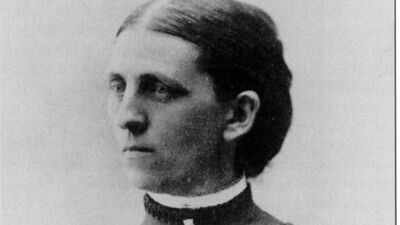
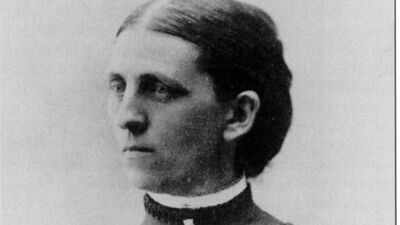
For 138 years, the remains of Lisle Lester, a Fond du Lac woman who became known as a journalist, publisher, actress and advocate for women’s rights, remained unclaimed in a New York mortuary. Now, after years of efforts by women in her former Wisconsin community, Lester is finally coming home.Lester was born Sophia Walker in 1837 and moved to Fond du Lac when she was six years old, NBC 6 reported. She later built a career that took her far beyond Wisconsin, becoming known for her work in publishing and on stage, as well as for supporting causes she believed in.“She wore many hats,” said Tracy Reinhardt, a local historian and historical consultant for the Fond du Lac Soroptimist Education Committee. Reinhardt also described Lester as a major but little-known figure from the city’s past.Lester started The Badger State Monthly in 1859, which is described as the first magazine published in Wisconsin. Her work also helped women enter the printing industry. She trained women to work as typesetters at a time when the field was largely dominated by men.
Publisher who challenged norms
Lester’s work in publishing was not easy. According to Reinhardt, men did not want her admitted to the Wisconsin editorial group of the time, forcing her to fight for a place in the industry.Her writing also attracted criticism. Fellow writer Mark Twain once called her “the worst writer in the world”. Reinhardt said Twain believed that if Lester wrote a 100-word paragraph, he could express the same idea in 20 words.But the criticism did not stop Lester from continuing her work. “Public opinion, I don’t think meant or had an impact on her,” Reinhardt said as quoted by NBC 26. “She still did her thing.”Lester also had a career in theatre and travelled across the United States and other countries for her performances. Her audiences included prominent political and royal figures.“She went to countries like Japan, China… she was a guest in the palace of the kings and the queens that were ruling those countries at the time,” Reinhardt said.Her public life was not limited to publishing and acting. Lester also used her position to support causes she cared about, including women’s rights and other social issues.“You couldn’t pigeonhole her to being an abolitionist or women’s suffragette or anything like that because she embraced all issues,” Reinhardt said.
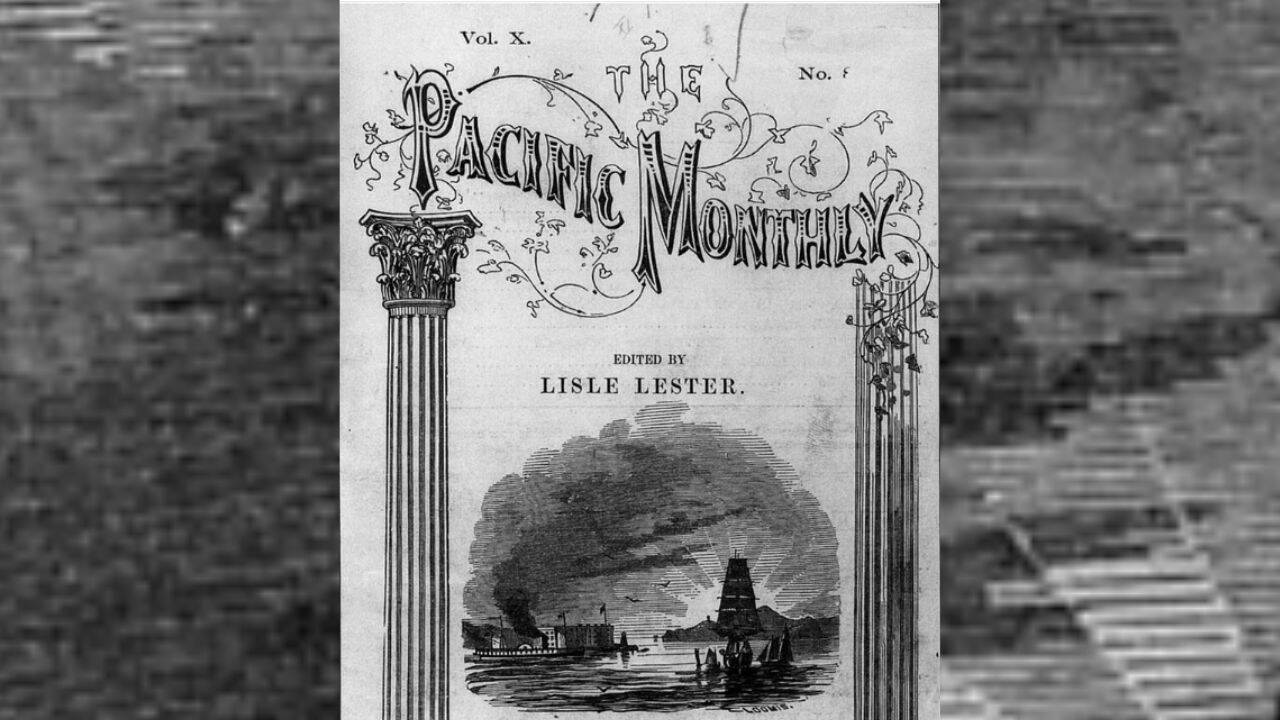
Three months after becoming editor of The Pacific Monthly, Lester used her column to criticise Typographical Union No. 21 in San Francisco for refusing to admit women.
From wealth to dying penniless
Despite earning substantial money through her acting career, Lester eventually died without money. Reinhardt said Lester would sometimes stop performing when she became interested in a cause and devote herself to it instead.“Unfortunately, when she would find a cause that she was interested in, she would just stop her performances and take on these causes,” Reinhardt said. “She lived off her savings, and eventually drained it dry the last 10 years of her life.”Lester died in New York in 1888 at the age of 50. She was cremated, but her remains were never claimed by family. They remained in a New York mortuary for more than a century.Her story came back into focus in Fond du Lac in 2024, when the Soroptimist International of Fond du Lac learned more about her and began working to bring her remains back to Wisconsin.The effort was taken up by several women in the community, including Reinhardt and Dawn Nelson, director of Zacherl Funeral Home. Nelson said she became involved because she believed Lester deserved to be properly laid to rest.“I’m very passionate about people being laid to rest properly,” Nelson said. “Knowing that a woman died in poverty after trying so hard to advocate for women and women’s rights, and died alone and poor is just really sad.”
Years of work to bring her home
Getting Lester’s remains back to Wisconsin involved more than simply arranging transportation. The effort included red tape, court hearings and fees.Nelson said the New York mortuary initially wanted almost $8,000 to return the remains. That amount was beyond what the group could afford, so she continued looking for a way to reduce the cost.“The third time that I called, I actually asked to speak to a female funeral director,” Nelson said. “Not kidding!”After asking questions and working through the arrangements, Nelson was able to reduce the cost to $3,000. At the time of the 2024 report, the group had raised about one-third of that amount and hoped to collect the rest.The effort eventually succeeded. The Fond du Lac Soroptimists received Lester’s remains on Friday, September 4, 2026, ending a wait that had lasted 138 years, according to AOL.Lester’s return will now allow her to be buried in the community where she spent her early years and began her remarkable career. Her burial service is scheduled for 10 am on October 17 at Calvary Cemetery in Fond du Lac.