







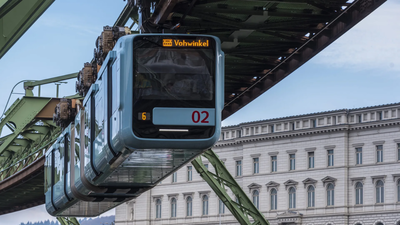
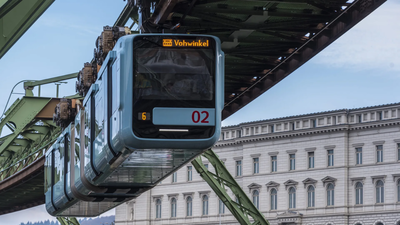
The Wuppertal Suspension Railway, which opened on 1 March 1901, has glided above the Wupper River for 125 years and now carries over 80,000 passengers every day, according to Mayor Miriam Scherff. She says its suspended technology offers a fast, environmentally friendly link between districts along a 13-kilometre stretch of narrow valley, where a connection would otherwise be virtually impossible to manage. To mark the anniversary, Wuppertal’s public utilities company, WSW, is running an orange and blue GTW 72 car, restoring the historic Kaiserwagen and planning a public festival in late summer 2026 that will focus on residents’ personal stories.
Why Germany built the “flying train” above the Wupper valley
Scherff explains that the railway’s technology, which suspends the cars above the Wupper, reduces traffic congestion and emissions in the city. According to the WSW official press release, it is a fast, environmentally friendly link between Wuppertal’s districts. In her words, such a link would otherwise be virtually impossible to manage along a 13-kilometre stretch in the narrow valley.The Mayor also places the railway in the context of the city’s history. She says it reflects the pioneering spirit and courage of the city leaders of the time, who dared to undertake ambitious urban development projects and take different paths. She calls it “the soul of our city” and describes it as unique worldwide. She also recounts riding it with her daughter for the first time, boarding at Oberbarmen to get a seat by the panoramic window. The two now ride regularly, sometimes with no particular destination.
How Wuppertal is celebrating 125 years of its “flying train”
WSW says the anniversary programme began on 8 January, when a car in the livery of the 1972 series (GTW 72) ran through the valley for the first time in many years. One of the current cars has been decorated in orange and blue in the GTW 72 design, and it will stay in regular service throughout the year. WSW is also collecting personal stories about the railway through a submission form on its website. These stories will be the focus of a public festival planned for late summer 2026, to which all Wuppertal residents are invited.The anniversary will also be visible across the city. WSW states that buses, service vehicles, posters and flags will carry the anniversary motto. A new 1:87 scale model of the GTW 72 car is available at WSW customer centres and in the Wuppertal Marketing online shop, and further merchandise, such as buttons and T-shirts, will follow during the year. The historic Kaiserwagen (Emperor’s Car) is being restored for the anniversary, and WSW aims to have it back in service by May.
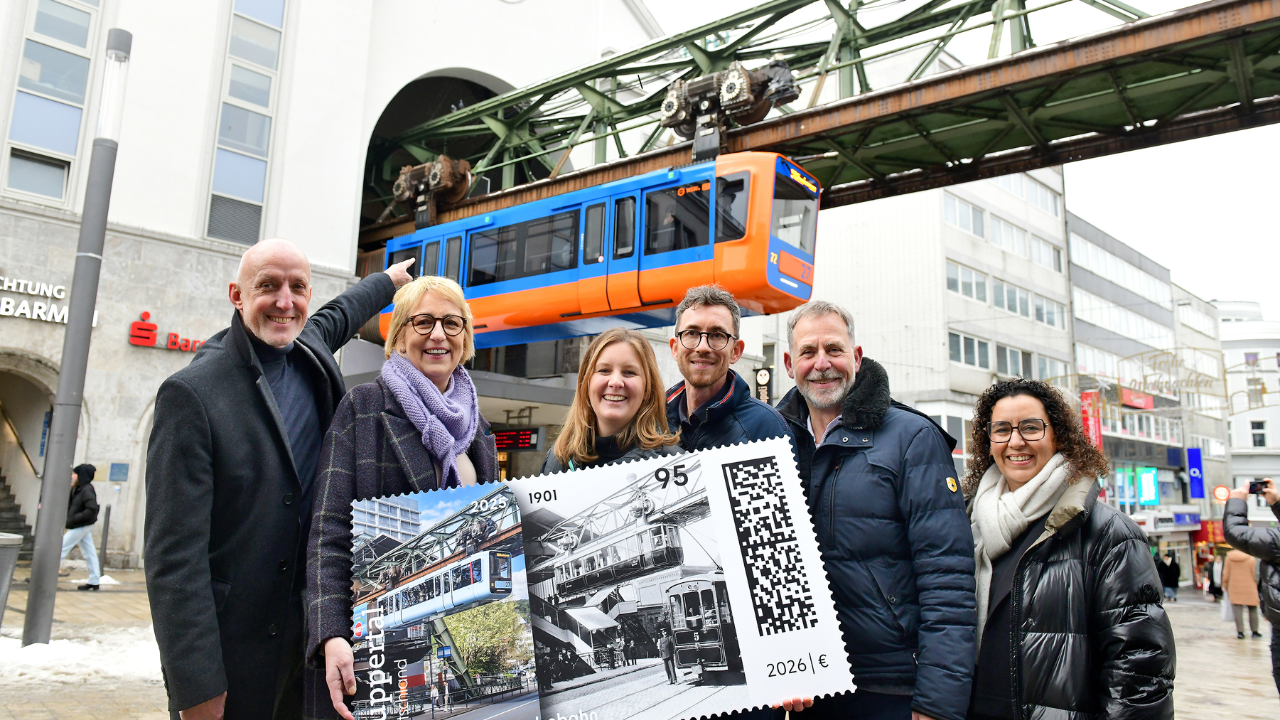
PC: WSW official press release
How Germany’s “flying train” is being honoured with a special stamp
Deutsche Post is marking the anniversary with a special stamp in its “Time Travel Germany” series, according to the release. The stamp shows a photograph of Robert-Daum-Platz station, presented as it appeared in 1901 and as it appears today. A collectable first-day cover is also available, and both items were unveiled on 8 January.Sabine Schnake, Managing Director of WSW mobil, says the railway remains a “symbol of progress and courage” after 125 years. She adds that WSW is investing in technology and infrastructure to keep it fit for the coming decades, as a sustainable mobility solution for Wuppertal. WSW describes the wider WSW Group as covering energy supply, drinking water, public transport, urban drainage, energy services and waste management. It employs approximately 3,500 people and is one of Wuppertal’s largest employers.