









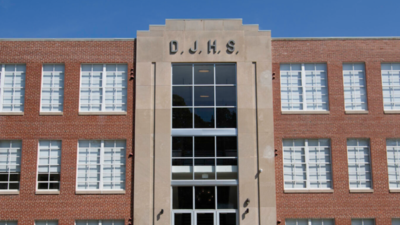
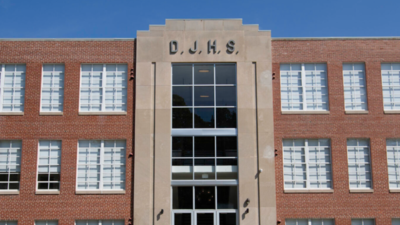
Nearly six decades after graduating from Dillard Junior High School in Yanceyville, North Carolina, Cassandra Henderson has returned to the same building, this time as a resident of its newly restored senior apartments. The former school, which closed in 2002 and remained vacant for more than 20 years, has been transformed into 53 affordable homes for older adults. According to NC Newsline, which reported on the redevelopment, the project combines historic preservation with an effort to address the shortage of affordable housing for seniors. The development has also received national recognition from the Affordable Housing Tax Credit Coalition.
From school corridors to affordable homes
Henderson graduated from the school in 1968 and later spent years living in Richmond, Virginia. When she wanted to return to Yanceyville to be closer to family and friends, finding suitable housing became an obstacle. Her sister encouraged her to move home, but Henderson recalled telling her there was nowhere for her to live. The redevelopment changed that. Henderson moved into the Dillard School Apartments in August 2026, returning to the entrance where she once arrived by school bus. In an interview with NC Newsline, she recalled the school’s hallways, metal lockers and auditorium, describing her years there as some of her happiest.She also expressed relief that the building had been preserved and given a new purpose. Her experience illustrates how converting an unused historic property into housing can help older residents remain connected to the communities where they grew up.
A former school gets a second life
The building originally opened as the Caswell County Training School between 1949 and 1951. It was the first school in Caswell County to offer 11 grades to Black students. Following desegregation in 1969, it was renamed Dillard Junior High School in honour of Nicholas Longworth Dillard, a longtime principal.The school closed in 2002 and was subsequently listed on the National Register of Historic Places. However, it remained unused for more than two decades, with broken windows, a deteriorating gymnasium roof and interiors exposed to the elements.Alex Walker, a representative of the project’s developer, DreamKey Partners, told NC Newsline that the conversion offered an opportunity to preserve the historic building while putting it back into productive use. Rather than demolishing the property, the redevelopment retained its historic character and adapted the former educational spaces for residential use.
What the 53 apartments offer
The completed Dillard School Senior Apartments development contains 53 affordable homes for residents aged 62 and older. According to the Affordable Housing Tax Credit Coalition, the property comprises seven studio apartments and 46 one-bedroom units, with rents restricted to households earning no more than 50% of the area median income. Residents pay up to 30% of their income towards rent, with federal housing assistance covering the remaining eligible costs. The development is intended for older adults who can live independently rather than those requiring assisted-living services.The property also includes elevators, accessible features, a community centre with computer and fitness facilities, communal laundry, tenant storage and community gardens. Outdoor amenities include pickleball and shuffleboard courts, while on-site management helps coordinate services for residents.These facilities are intended to make the apartments practical for older adults while providing opportunities for recreation and social interaction.
Addressing North Carolina’s senior housing shortage
The redevelopment comes as affordable housing remains difficult to find for many older North Carolinians living on fixed incomes. According to figures cited by NC Newsline, approximately 42% of renters and 20% of homeowners in Caswell County spend more than 30% of their gross monthly income on housing. Across North Carolina, the estimated shortage of affordable rental homes for extremely low-income households stands at 215,000.Charity James, property manager at Dillard School Apartments, told NC Newsline that the community has few affordable housing developments, particularly those designed for seniors. She said demand exceeded the number of available apartments when leasing began, resulting in long waiting lists. The project cannot resolve the wider housing shortage on its own, but it provides an example of how unused public-serving buildings can be adapted to meet local housing needs.
How the restoration was financed
The project combined several funding sources, including the US Department of Housing and Urban Development’s Section 202 programme and state and federal historic tax credits. Walker told NC Newsline that combining these financing mechanisms, particularly HUD support, made it possible to restore the property and provide affordable homes. The development received the Affordable Housing Tax Credit Coalition’s 2026 Recognition of Housing Tax Credit Excellence award in the rural housing category. Emily Cadik, the coalition’s chief executive, said the winning projects had made lasting contributions to their communities by providing families with affordable places to live.For Henderson, however, the redevelopment’s importance is personal. She has returned not simply to her hometown but to a building that holds memories of her school years. In an interview with NC Newsline, she described being back as a source of renewed energy and said she felt she was where she belonged. The former school now serves a different generation, preserving a piece of local history while giving older residents an opportunity to remain close to home.