


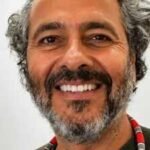

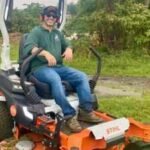
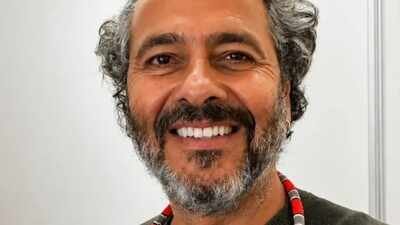
Did you know that Brazilian actor Marcos Palmeira once invested in barren farmland to revive a native forest? In 1997, he bought a farm in Teresópolis, in the mountain region of Rio de Janeiro. In the beginning, he purchased it because it connected to his childhood. However, over the course of 29 years, the plot of land turned into something much more. Here is a detailed look into how a childhood dream ended up reviving a native forest area.
In 1997, Marcos Palmeira invested in barren farmland
CNN reported that in 1997, Palmeira invested his funds in buying barren farmland, called the Fazenda Vale das Palmeiras, to fulfil his grandfather’s wishes. The 200–220-hectare property in Teresópolis used conventional farming methods and pesticides to survive, as the soil had been extremely damaged. While the factor managed the farm, he discovered that the workers on the land refused to eat the crops because many chemicals were used to grow them.So, to find a solution to his problems and to revive the barren farmland, he completely turned over to certified organic farming, agroforestry, and dairy production. Over the next 30 years, the actor focused on reviving the land and slowly helped the land become one of the most fertile areas in the mountain region, and now it is well known across the world for its high-quality cheese.
What was Marcos Palmeira’s childhood connection to the land that made him buy it?
According to the outlet, the farm life was something that he had experienced from an early age, especially around the time that he would visit and live on his grandfather’s land in Bahia. There, he used to help out with things like cattle raising and cocoa cultivation, and all of this helped him discover the fact that he wanted a quiet, farmland life for himself just like that. This is what prompted him to buy the land in Teresópolis.While he invested a lot of money in the farmland over the years, no estimates have been provided on his initial purchase investment.
Marcos Palmeira carried out restoration efforts
On the farmland, he realised that farmworkers would not really eat the vegetables from the land because the food was grown using a lot of pesticides. This made him rethink the entire process and opt for more organic farming to revive the land.He worked with a lot of different organisations to work out a plan to restore the land, which is now home to the native Atlantic Forest trees, reviving the native forest area in the mountains. The restoration efforts specifically targeted around 1.3 million square meters of land. To improve natural vegetation, 200,000 Atlantic Forest trees were planted in the area to help revive the soil and provide it with enough nutrients to start organic farming.Now, after almost 29 years, the property has two Private Natural Heritage Reserves, known in Brazil as RPPNs. This simply means that regions on private land can be classified as important for conservation purposes and are protected by law.