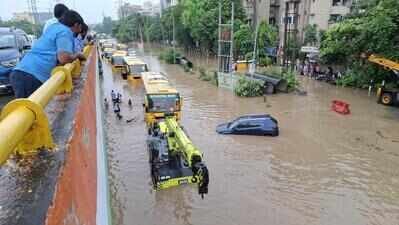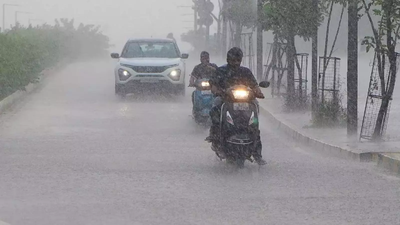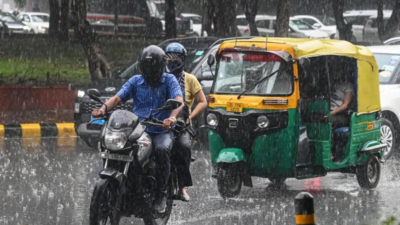









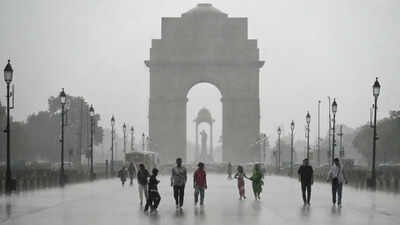
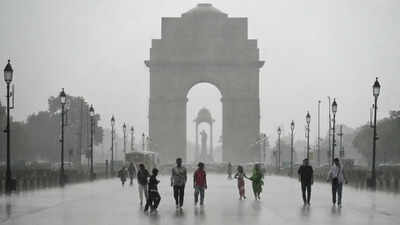
NEW DELHI: India received 87.4 per cent of its long period average (LPA) rainfall during the June-September southwest monsoon this year, making it the fourth-lowest monsoon rainfall recorded since 2001, according to the India Meteorological Department (IMD).The country received 759.4 mm of rainfall against the normal seasonal average of 868.6 mm, leaving a deficit of about 13 per cent between June 1 and September 30, the IMD said on Wednesday.The season’s rainfall was marked by an uneven distribution across different parts of the country, with several regions recording significant deficits despite heavy rain spells towards the end of the monsoon.
El Niño weighs on monsoon rainfall
A senior IMD official told Reuters that India recorded 12.6 per cent below-average rainfall during the June-September season, with the El Niño weather pattern contributing to weaker precipitation.India is likely to receive below-average rainfall in October, while most parts of the country are expected to record below-normal rainfall during the October-December period, according to the weather office.The IMD’s LPA refers to the average rainfall recorded over a particular region during a specified period, calculated over a long-term period, typically spanning 30 to 50 years.The 2026 monsoon is the first deficient season since 2015. The IMD classifies seasonal rainfall that is 10 per cent or more below the LPA as deficient.
Late rains narrowed the deficit
The monsoon began with a rapid advance after reaching Kerala on June 4, three days later than its normal arrival date, but subsequently stalled for nearly two weeks before reaching northwest India in the first week of July.June ended with a countrywide rainfall deficit of more than 35 per cent, the highest in 12 years.Rainfall activity picked up in the following months, with several low-pressure systems forming over the Bay of Bengal and moving inland. Four such systems formed in July, six in August and three in September, including a deep depression that crossed the north Andhra-south Odisha coast on September 23-24.These systems helped bring substantial rainfall to parts of central and eastern India, narrowing the overall seasonal deficit.
Share your thoughts in the comments
Be respectful · TOI community guidelines
The impact, however, varied significantly across regions. Odisha recorded its wettest monsoon in 20 years, while the East and Northeast region was heading towards its driest monsoon since records began in 1901.South India recorded a rainfall deficit exceeding 23 per cent, making it the region’s driest southwest monsoon since 2002. West Rajasthan recorded a 31 per cent deficit, while Punjab’s rainfall was 42 per cent below normal.The IMD’s final assessment comes after a late-season spell of heavy rainfall reduced the country’s overall deficit, but the June-September season still ended well below its long-term average.