








Madagascar has earned a reputation as one of the world’s greatest biodiversity hotspots, yet it continues to surprise scientists. A new study published in Vertebrate Zoology has identified seven previously unknown species of diamond frogs belonging to the genus Rhombophryne. The discovery brings the total number of recognised diamond frog species to 27 and offers fresh insight into how much of the island’s wildlife remains undocumented.The finding is more than just another addition to the species list. It reshapes scientists’ understanding of a group of frogs that has long puzzled researchers because many species are almost impossible to tell apart by appearance alone. By combining modern genetic tools with traditional anatomy, the team was able to uncover a level of diversity that had remained hidden for years.
Frogs that look almost identical
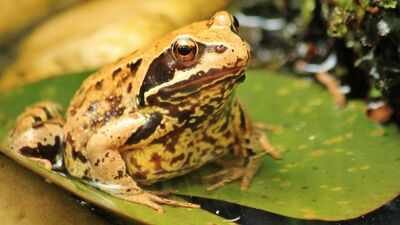
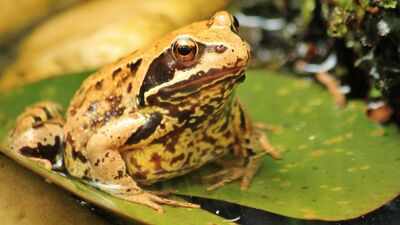
Diamond frogs are not the colourful, eye-catching amphibians many people imagine. Most are small, brown and well camouflaged, spending much of their lives tucked beneath leaf litter or hidden underground in Madagascar’s forests. Their secretive lifestyle makes them difficult to find, while their similar appearance has complicated efforts to identify individual species.To solve that problem, the researchers took a broader approach than relying on physical features alone. They compared DNA, examined body measurements, studied skeletal structures using CT scans and revisited museum specimens collected over several decades.That combination revealed something remarkable. Frogs that had long been grouped together as a single species often turned out to represent entirely different evolutionary lineages. In several cases, populations separated by mountains or forests had been evolving independently for millions of years despite looking almost identical.
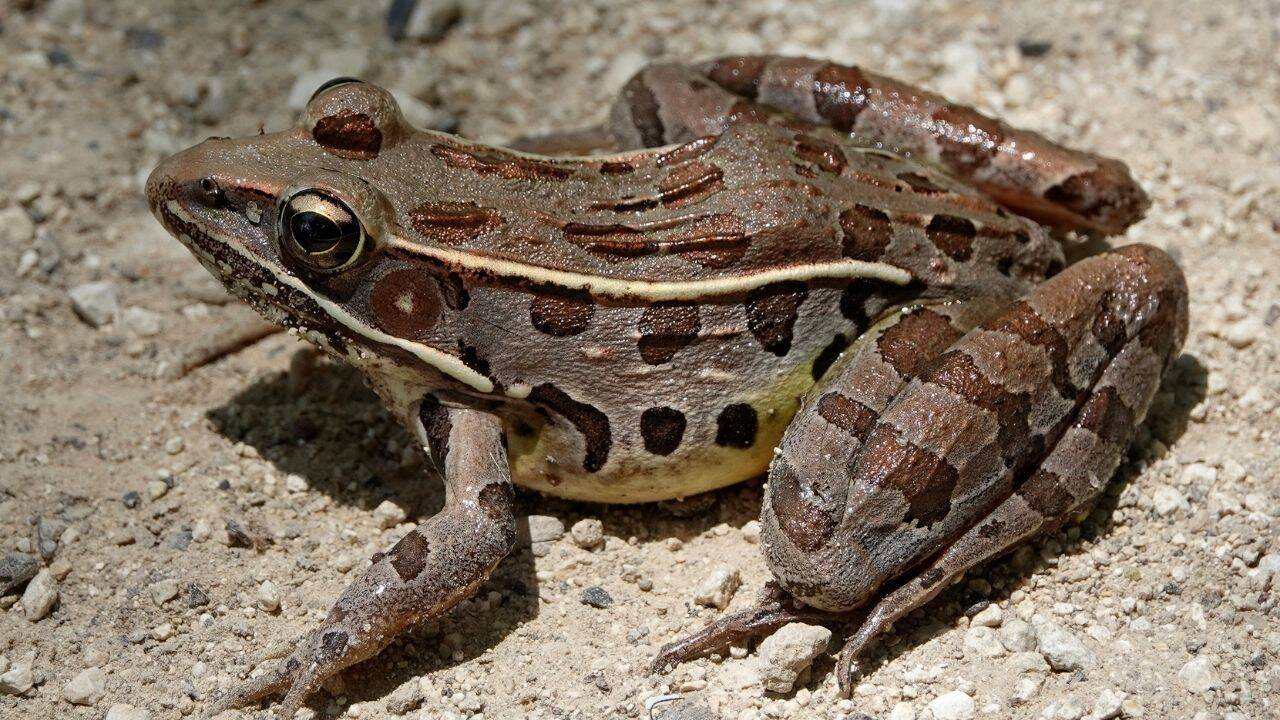
Representative Image (Canva)
A clearer picture of Madagascar’s frog diversity
The study formally describes seven new species while also revising the classification of several previously known diamond frogs. Together, these changes provide one of the most detailed overviews of the Rhombophryne genus to date.One of the clearest patterns to emerge is that many of these frogs occupy surprisingly small ranges. Instead of being spread across Madagascar, some species are found only in a single mountain region or isolated patch of forest. Over time, these isolated habitats allowed frog populations to evolve separately, eventually becoming distinct species.According to researchers, this highlights the importance of combining genetic evidence with traditional taxonomy. Looking at physical appearance alone would have missed much of this hidden diversity, whereas DNA analysis revealed evolutionary differences that were invisible to the naked eye.
Why naming new species matters
Describing a species is about far more than giving it a scientific name. It provides the foundation for conservation work. Many of the newly identified frogs appear to have very limited distributions, making them potentially vulnerable to habitat loss. Madagascar has already lost significant areas of its native forest because of agriculture, logging and expanding human settlements. Species that exist only in small pockets of habitat can disappear before scientists even realise they are unique.According to the researchers, accurate taxonomy is essential for conservation planning. Organisations assessing extinction risk need to know exactly which species exist and where they occur. A frog believed to be part of a widespread population may actually represent a rare species confined to a single forest.The discovery also serves as a reminder that Madagascar still holds many biological mysteries. Even after decades of research, scientists believe the island is home to more undescribed amphibian species waiting to be documented. As genetic techniques continue to improve and field surveys reach less-explored regions, more hidden species are likely to emerge.For researchers, the seven newly described diamond frogs are another piece of Madagascar’s extraordinary evolutionary story. For conservationists, they are also a timely reminder that protecting habitats remains just as important as discovering the species that live within them.